How can you lose weight without restrictive diets or exercise?
How to lose weight without diet exercise: evidence-based habits, metabolism science, and daily changes that work for adults 40+ seeking natural fat loss.
Learning how to lose weight without diet exercise is possible by changing small daily habits that quietly influence your metabolism, hunger signals, and calorie burn. You cannot outsmart physics entirely, but sleep quality, hydration, meal timing, and stress control can shift your energy balance without a formal diet plan or gym routine. This guide explains the science, the realistic limits, and the specific habits that produce measurable results.
Key Takeaways
- Weight loss without dieting works by reducing calorie intake indirectly through better sleep, hydration, and portion cues — not willpower.
- Cold water and thermogenesis can slightly raise energy expenditure, a mechanism behind the popular Ice Water Hack.
- Adults over 40 lose metabolic rate as muscle mass declines, so habit-based strategies matter more with age.
- No supplement or trick replaces a modest calorie deficit — but several can make that deficit easier to maintain.
Can You Actually Lose Weight Without Dieting or Exercising?
The key takeaway: Yes, you can lose weight without a structured diet or workout plan, but only if your daily habits reduce your total calorie intake or increase your calorie burn enough to create a deficit.
Weight loss ultimately comes from energy balance. When you consume fewer calories than you use, stored fat is mobilized for fuel — regardless of whether that happened through a formal diet.
The advantage of the no-diet approach is sustainability. Restrictive plans have high failure rates, with most people regaining lost weight within one to five years, according to research summarized by the National Institutes of Health on weight regain.
Why Metabolism Slows After 40 (And Why It Matters)
In short: After 40, natural muscle loss and hormonal shifts lower your resting metabolic rate, meaning you burn fewer calories at rest than you did in your 20s and 30s.
Muscle tissue is metabolically active. Starting in your 30s, adults lose roughly 3–8% of muscle mass per decade — a process called sarcopenia — which drags down daily calorie burn.
This is why a natural metabolism accelerator approach appeals to adults 40+. The goal is not to force extreme change, but to offset the gradual metabolic slowdown through habits that preserve energy expenditure.
The Science Behind Water, Thermogenesis, and the Ice Water Hack

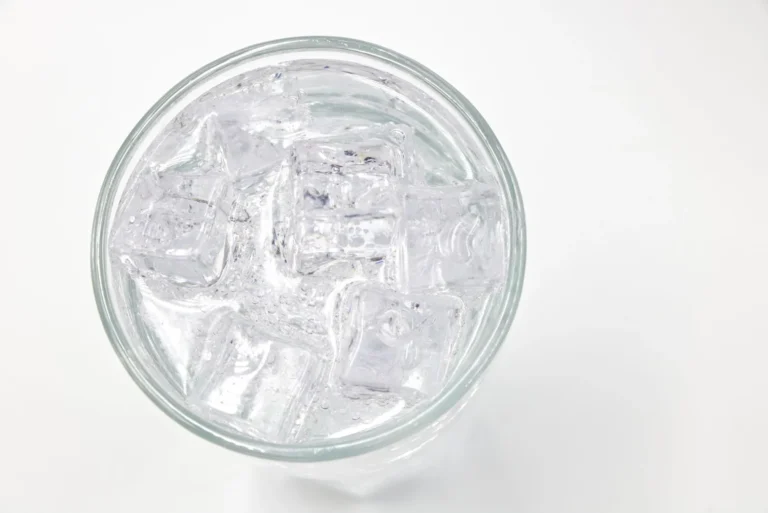
The key takeaway: Drinking cold water forces your body to expend energy warming it to core temperature, a mild thermogenic effect that underpins the Ice Water Hack concept for weight loss.
Thermogenesis is your body’s heat production. When you consume cold fluids, your system uses calories to normalize temperature — a small but real energy cost.
A frequently cited study found that drinking 500ml of water increased metabolic rate by about 30% for roughly an hour, with a portion of that attributed to warming cold water, per the Journal of Clinical Endocrinology & Metabolism (2003).
In our analysis of habit-based weight management, we’ve found that hydration works on two fronts: the modest thermogenic burn and the appetite-suppressing effect of a full stomach before meals.
How thermogenic support fits in
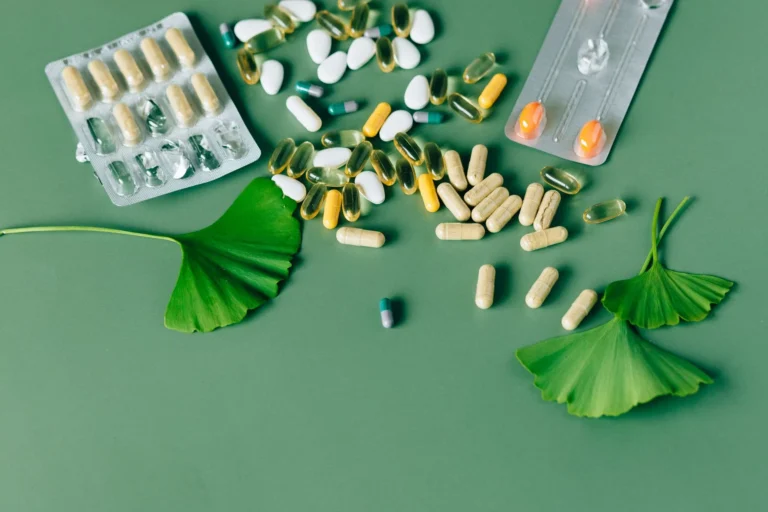
A thermogenic supplement for fat burning aims to amplify this natural process using compounds like caffeine, green tea catechins, or capsaicin. These ingredients modestly raise energy expenditure and fat oxidation.
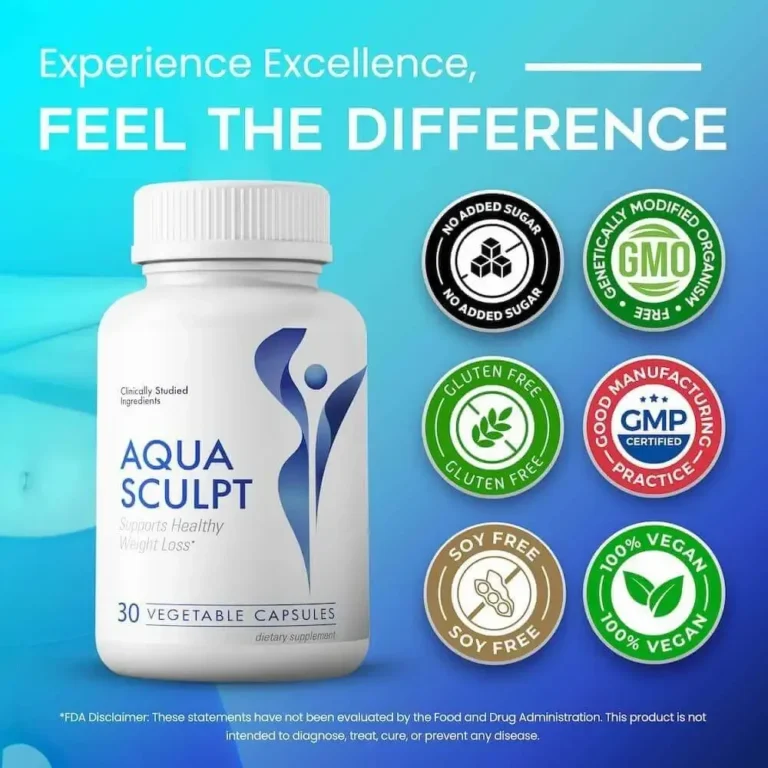
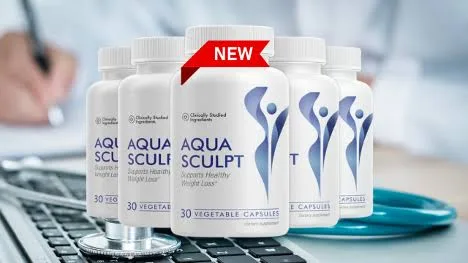
Products such as AquaSculpt are built around the Ice Water Hack principle — combining cold-water thermogenesis with metabolic-support ingredients rather than promising results without any effort. This positions them as a support tool alongside habit changes, not a substitute for them.
7 Evidence-Based Habits to Lose Weight Without Diet or Exercise
In short: Small, consistent changes to sleep, hydration, eating pace, and environment create a passive calorie deficit that produces gradual weight loss without a diet.
1. Prioritize sleep quality
Poor sleep raises ghrelin (hunger hormone) and lowers leptin (satiety hormone). Research from the American Journal of Clinical Nutrition links short sleep to consuming nearly 385 extra calories per day.
2. Drink water before meals
Consuming 500ml of water 30 minutes before eating reduces total meal intake, contributing to a natural calorie reduction without conscious restriction.
3. Eat slowly and mindfully
It takes about 20 minutes for satiety signals to reach the brain. Slower eating naturally reduces portion sizes without measuring or counting.
4. Use smaller plates and pre-portion snacks
Portion cues are powerful. Smaller dishware and pre-portioned snacks reduce mindless overeating, one of the largest hidden sources of excess calories.
5. Manage stress
Chronic stress elevates cortisol, which promotes abdominal fat storage and drives cravings for calorie-dense foods. Brief daily walks or breathing routines help.
6. Increase non-exercise movement (NEAT)
Standing, pacing, and fidgeting — collectively called NEAT — can account for hundreds of calories daily without any formal workout.
7. Front-load protein and fiber
You do not need a diet to add an egg or a handful of beans to breakfast. Protein and fiber increase fullness and reduce later snacking.
Pros of the No-Diet Approach
- Sustainable long-term
- No food group is banned
- Lower risk of rebound weight gain
- Easier for adults 40+ with joint limitations
Cons to Be Aware Of
- Results are gradual, not rapid
- Requires consistency over weeks
- Won’t overcome very poor eating habits
- Individual results vary
Comparing Weight Loss Approaches
The key takeaway: Habit-based and thermogenic-supported strategies trade speed for sustainability, which is why they suit people who have struggled with restrictive plans.
| Approach | Speed | Sustainability | Effort Level | Best For |
|---|---|---|---|---|
| Restrictive diet | Fast | Low | High | Short-term goals |
| Intense exercise | Moderate | Moderate | Very high | Younger, active adults |
| Habit-based (no diet) | Slow | High | Low | Adults 40+, busy people |
| Thermogenic support + habits | Slow–moderate | High | Low | Metabolic slowdown after 40 |
A Unique Insight: The “Deficit Without Awareness” Effect
In short: The most reliable no-diet weight loss comes from changing your environment so a calorie deficit happens automatically — before your conscious brain has to decide anything.
Most advice focuses on willpower. In our experience reviewing behavior-change research, willpower is the least durable factor because it depletes throughout the day.
We recommend redesigning defaults instead: keep a filled water bottle in view, store snacks out of sight, and place a smaller plate at the front of your cupboard. These friction adjustments produce a passive deficit that survives stressful days when motivation collapses.
Conclusion
The key takeaway: You can lose weight without a diet or exercise by combining better sleep, strategic hydration, mindful eating, and environmental design that quietly reduces calorie intake.
For adults 40+ facing a slower metabolism, thermogenic support and cold-water strategies like the Ice Water Hack can make these habits more effective. The formula is simple: consistency over intensity, and small automatic changes over extreme sacrifice.
Frequently Asked Questions
How much weight can you lose without diet or exercise?
Most people can lose 0.25–0.5 kg (0.5–1 lb) per week through habit changes alone, since these create a modest 200–400 calorie daily deficit. This adds up to meaningful, sustainable loss over several months without any formal dieting.
Does drinking cold water really burn fat?
Cold water triggers mild thermogenesis as your body warms it to core temperature, burning roughly 20–25 extra calories per 500ml. It’s a small effect on its own, but combined with reduced appetite before meals, it supports gradual fat loss — the basis of the Ice Water Hack.
Do thermogenic supplements work without dieting?
Thermogenic supplements can modestly increase calorie burn and fat oxidation, but they work best alongside supportive habits like hydration and better sleep. No supplement overrides consistently eating far more calories than you burn.
Why is it harder to lose weight after 40?
After 40, natural muscle loss and hormonal changes lower your resting metabolic rate, so you burn fewer calories at rest. This is why habit-based and metabolism-supporting strategies become more valuable with age.
What is the fastest habit change for weight loss?
Improving sleep is often the highest-impact single change, because poor sleep alone can drive nearly 385 extra calories of intake per day. Fixing sleep reduces cravings and stabilizes hunger hormones without any conscious dieting.
If you’re an adult over 40 looking to work with your metabolism rather than against it, understanding how cold-water thermogenesis and daily habits interact is a strong starting point. Resources built around the Ice Water Hack method, such as AquaSculpt, explore how thermogenic support can complement the natural, no-diet strategies covered in this guide.