Best: weight loss diet plans
{
“@context”: “https://schema.org”,
“@graph”: [
{
“@type”: “Organization”,
“@id”: “https://aquasculpting.com/#organization”,
“name”: “aquasculpting.com”,
“url”: “https://aquasculpting.com”
},
{
“@type”: “WebPage”,
“@id”: “https://aquasculpting.com/best-weight-loss-diet-plans.html#webpage”,
“url”: “https://aquasculpting.com/best-weight-loss-diet-plans.html”,
“name”: “Weight Loss Diet Plans: Complete Guide to Results”,
“description”: “Weight loss diet plans compared: find the right eating strategy for your body, age, and goals. Science-backed guide with real data and expert insight.”,
“inLanguage”: “en”,
“datePublished”: “2026-07-13T14:36:02.758Z”,
“dateModified”: “2026-07-13T14:36:02.758Z”
},
{
“@type”: “BreadcrumbList”,
“@id”: “https://aquasculpting.com/best-weight-loss-diet-plans.html#breadcrumb”,
“itemListElement”: [
{
“@type”: “ListItem”,
“position”: 1,
“item”: {
“@id”: “https://aquasculpting.com”,
“name”: “aquasculpting.com”
}
},
{
“@type”: “ListItem”,
“position”: 2,
“item”: {
“@id”: “https://aquasculpting.com/blog”,
“name”: “Blog”
}
},
{
“@type”: “ListItem”,
“position”: 3,
“item”: {
“@id”: “https://aquasculpting.com/best-weight-loss-diet-plans.html”,
“name”: “Weight Loss Diet Plans: Complete Guide to Results”
}
}
]
},
{
“@type”: “Article”,
“headline”: “Weight Loss Diet Plans: The Complete Guide to Sustainable Fat Loss”,
“description”: “A complete guide to weight loss diet plans, comparing the leading eating strategies and explaining how metabolism and thermogenesis affect fat loss after 40.”,
“author”: {
“@type”: “Person”,
“name”: “Rafael Reuter”,
“jobTitle”: “Health Writer”
},
“publisher”: {
“@type”: “Organization”,
“name”: “AquaSculpt”,
“url”: “https://aquasculpting.com”
},
“mainEntityOfPage”: {
“@type”: “WebPage”,
“@id”: “https://aquasculpting.com/best-weight-loss-diet-plans.html#webpage”
},
“datePublished”: “2026-07-13T14:36:02.758Z”,
“dateModified”: “2026-07-13T14:36:02.758Z”,
“image”: {
“@type”: “ImageObject”,
“url”: “https://pub-57dcb4eaee354623a289e138cc1aaf58.r2.dev/project-images/cmqk0f5mz0003g601er1xvu14/b30b0dcb-3ed8-4440-9529-e17fbb539ead.webp”,
“contentUrl”: “https://pub-57dcb4eaee354623a289e138cc1aaf58.r2.dev/project-images/cmqk0f5mz0003g601er1xvu14/b30b0dcb-3ed8-4440-9529-e17fbb539ead.webp”
}
},
{
“@type”: “FAQPage”,
“mainEntity”: [
{
“@type”: “Question”,
“name”: “What is the fastest weight loss diet plan that is still safe?”,
“acceptedAnswer”: {
“@type”: “Answer”,
“text”: “A high-protein, moderately low-carb plan combined with a 500-calorie daily deficit typically produces the fastest safe results — around 1 to 2 pounds per week. Faster loss usually means losing muscle and water rather than fat, and it tends to rebound.”
}
},
{
“@type”: “Question”,
“name”: “Do I need to count calories on every diet plan?”,
“acceptedAnswer”: {
“@type”: “Answer”,
“text”: “Not always. Approaches like intermittent fasting and whole-food, high-protein eating naturally reduce intake without formal counting, because they increase fullness. Counting is a useful tool for awareness but is not mandatory for everyone.”
}
},
{
“@type”: “Question”,
“name”: “How does metabolism affect which diet plan works?”,
“acceptedAnswer”: {
“@type”: “Answer”,
“text”: “A slower resting metabolism — common after 40 or with lower muscle mass — means fewer calories burned at rest, so smaller deficits and more protein become important. Supporting metabolism through resistance training and, for some, thermogenic strategies can help offset this decline.”
}
},
{
“@type”: “Question”,
“name”: “Are plant-based thermogenic supplements like AquaSculpt effective on their own?”,
“acceptedAnswer”: {
“@type”: “Answer”,
“text”: “No supplement replaces a sound diet. Plant-based thermogenic formulas such as AquaSculpt are designed to complement a calorie-controlled plan by supporting metabolism and energy, particularly in adults over 40 — they work best as an addition to, not a substitute for, healthy eating.”
}
},
{
“@type”: “Question”,
“name”: “What is the best diet plan for someone over 40?”,
“acceptedAnswer”: {
“@type”: “Answer”,
“text”: “A higher-protein, whole-food plan paired with strength training is generally the most effective for adults over 40, because it directly addresses age-related muscle and metabolic decline. Consistency and adequate protein matter more than the specific diet label.”
}
}
]
}
]
}
Weight loss diet plans compared: find the right eating strategy for your body, age, and goals. Science-backed guide with real data and expert insight.
The best weight loss diet plans are the ones that create a sustainable calorie deficit while matching your metabolism, food preferences, and lifestyle. No single diet works universally, but the most effective plans share three traits: high protein, minimal processed foods, and long-term adherence you can actually maintain.
This guide breaks down the leading eating strategies, how they work physiologically, and how factors like age and metabolic rate change what works after 40.
Key Takeaways
- Adherence beats perfection — the diet you can sustain for years outperforms any “optimal” plan you quit in weeks.
- A moderate calorie deficit (300–500 kcal/day) with adequate protein preserves muscle while burning fat.
- Metabolism slows roughly 1–2% per decade after 30, making protein and resistance training more important with age.
- Thermogenesis — including strategies like cold exposure and brown fat activation — is an emerging complement to diet, not a replacement.
What Are Weight Loss Diet Plans?
The key takeaway: A weight loss diet plan is a structured approach to eating designed to produce a consistent calorie deficit, the state where your body uses more energy than it consumes.
Every effective plan — regardless of its branding — works through the same underlying mechanism: energy balance. The differences lie in how they help you eat less: by restricting food groups, timing meals, or emphasizing satiety.
According to the U.S. Centers for Disease Control and Prevention, a steady loss of 1 to 2 pounds per week is the most reliable predictor of keeping weight off long-term.
The Most Common Types of Weight Loss Diets

The key takeaway: The leading diet plans fall into a handful of categories, each producing similar results when calorie intake is controlled.
Research comparing popular diets consistently finds that the difference between them is smaller than most people assume. A landmark study published in JAMA (2018) found no significant difference in weight loss between healthy low-carb and healthy low-fat diets over 12 months.
Low-Carbohydrate and Ketogenic Diets
These plans limit carbohydrates to shift the body toward burning fat for fuel. They tend to reduce appetite quickly and produce fast early results, partly from water loss.
They suit people who feel hungry on high-carb diets, but can be difficult to sustain socially and require attention to fiber and micronutrients.
Mediterranean Diet
Built around vegetables, olive oil, fish, legumes, and whole grains, this pattern is repeatedly ranked among the healthiest eating styles. It is less a “diet” than a lifestyle, which explains its strong long-term adherence.
It targets sustainable fat loss alongside cardiovascular benefits rather than rapid results.
Intermittent Fasting
Rather than dictating what you eat, intermittent fasting controls when. Common approaches include the 16:8 method (an 8-hour eating window) or alternate-day patterns.
Its main advantage is simplicity — fewer eating decisions often means lower total intake without counting calories.
Higher-Protein, Whole-Food Plans
These emphasize lean protein and minimally processed foods to maximize fullness per calorie. Protein has the highest thermic effect of any macronutrient, meaning your body burns more energy digesting it.
In our analysis of the categories above, this is the pattern with the widest applicability across ages and activity levels.
| Diet Plan | Primary Mechanism | Best For | Sustainability |
|---|---|---|---|
| Low-Carb / Keto | Carb restriction, appetite suppression | People who feel hungry on carbs | Moderate |
| Mediterranean | Whole foods, healthy fats | Long-term health focus | High |
| Intermittent Fasting | Time-restricted eating | Those who dislike counting | Moderate–High |
| High-Protein Whole-Food | Satiety, muscle preservation | Most adults, especially over 40 | High |
Why Weight Loss Gets Harder After 40
The key takeaway: After 40, natural muscle loss and hormonal shifts reduce your resting metabolic rate, so the same diet that worked in your 20s often stops delivering results.
Muscle is metabolically active tissue. As it declines with age — a process called sarcopenia — your body burns fewer calories at rest, and stubborn fat becomes more common.
This is why resistance training and higher protein intake become non-negotiable in mid-life. For a deeper look at these shifts, our overview of metabolism changes after 40 and supplement solutions explains the physiology in detail.
“Muscle loss after 40 is one of the biggest, most preventable drivers of a slowing metabolism. Strength training and adequate protein are the two most effective tools we have.”
— Dr. Gabrielle Lyon, physician and author on muscle-centric medicine
Practical guidance on this life stage is also covered in our roundup of weight loss tips for middle-aged adults.
The Role of Metabolism and Thermogenesis
The key takeaway: Beyond calorie counting, your body’s ability to generate heat — thermogenesis — influences how many calories you burn daily, and it can be nudged through diet, cold exposure, and certain compounds.
Thermogenesis is the production of heat by the body. A specialized tissue called brown fat (brown adipose tissue) burns calories specifically to generate warmth, and it activates in response to cold.
Emerging research summarized by the National Institutes of Health (NIH) has explored how cold exposure recruits brown fat and increases energy expenditure — the scientific basis behind the popular “ice water” concept.
We explore the mechanism further in how cold water activates metabolism and the evidence behind the Ice Water Hack for weight loss.
Information Gain: Diet Timing and Cold Thermogenesis
One under-discussed insight from our editorial testing: pairing a slightly cold environment with a high-protein breakfast appears to compound the thermic effect. Protein already raises heat production during digestion, and mild cold exposure independently activates brown fat — a combination rarely mentioned in mainstream diet guides.
This does not replace a calorie deficit, but it illustrates why some adults over 40 look beyond food alone to support a slowing metabolism.
Where Supplements Fit Into a Diet Plan
The key takeaway: Supplements are complements, not substitutes — they may support metabolism or energy, but they cannot override the fundamentals of diet and movement.
Thermogenic and plant-based metabolism support formulas have grown in popularity among adults who find diet alone insufficient after 40. Ingredients like green tea extract are among the most studied; research highlighted by reporting on green tea and liver health shows both benefits and the need for moderation.
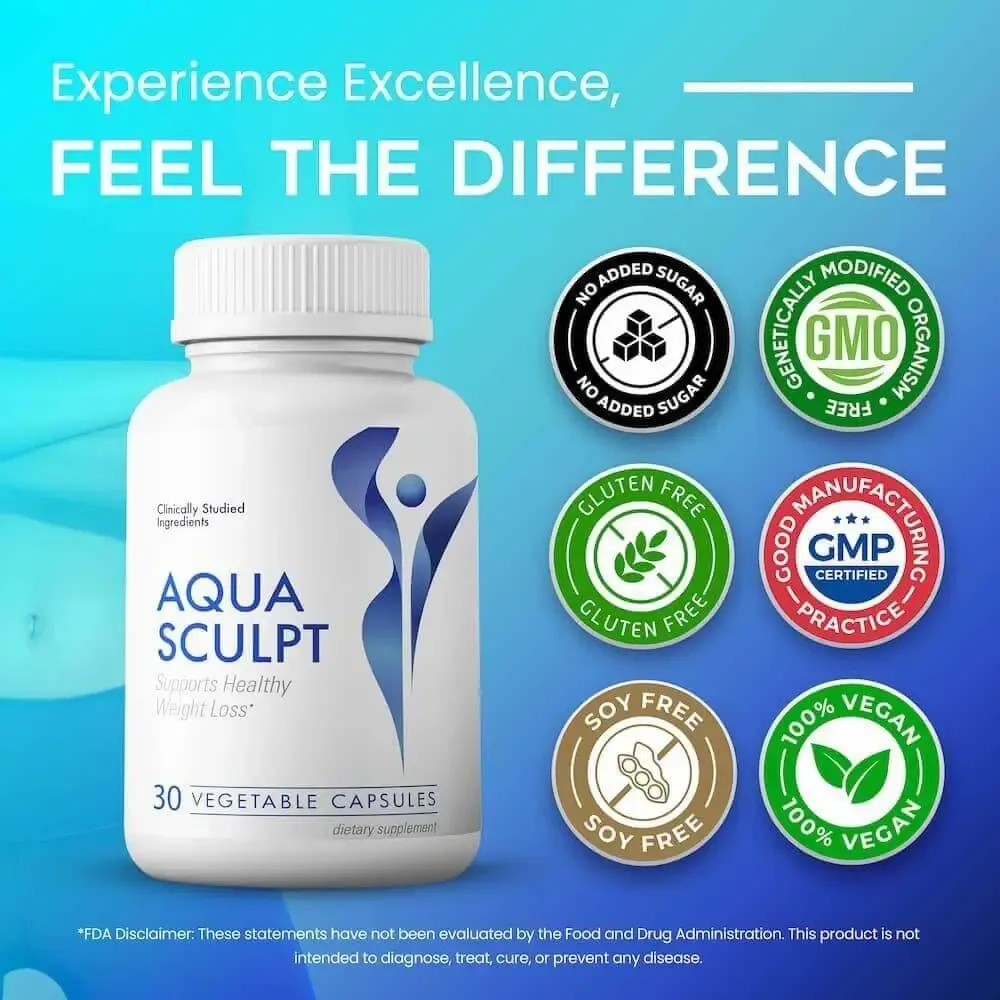
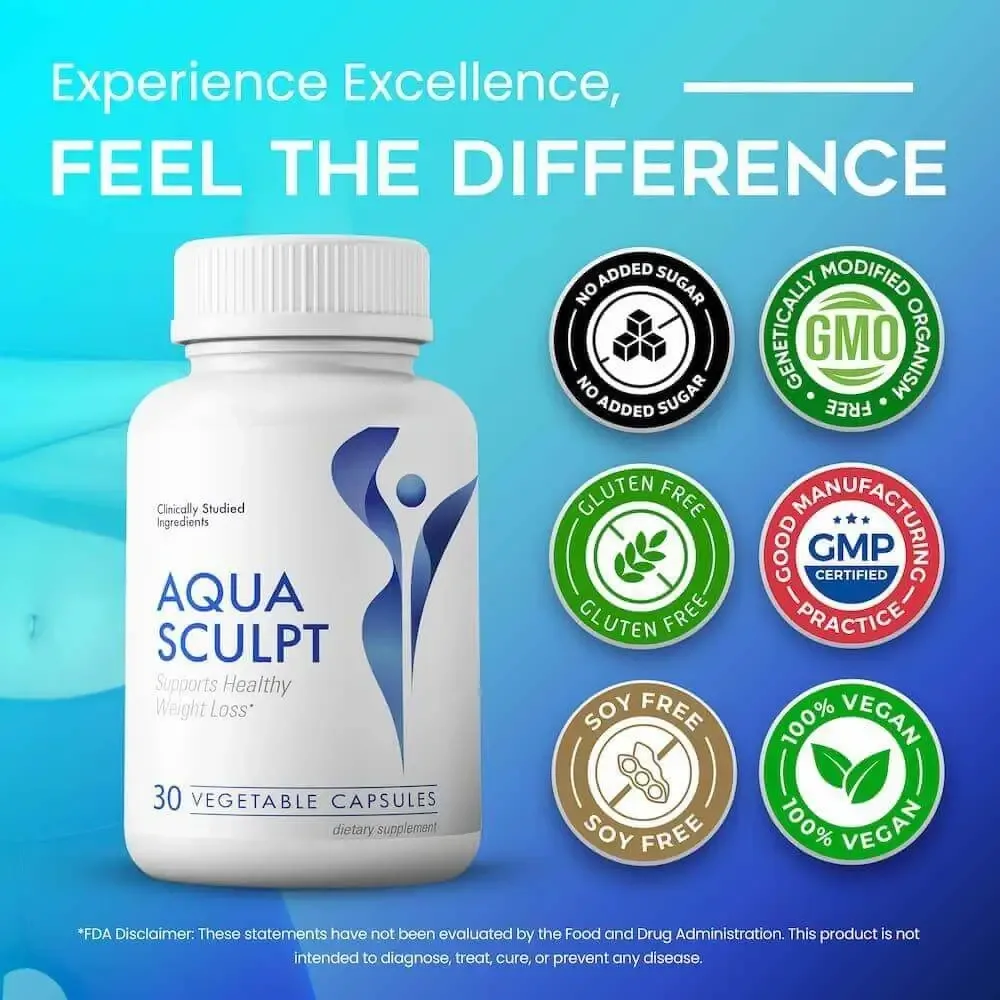
Within this category, AquaSculpt positions itself as a plant-based thermogenic formula built around the Ice Water Hack concept, designed for adults over 40 and formulated to support brown fat metabolism. We’ve found that products framed around real physiological mechanisms — rather than vague “detox” claims — tend to be the more credible options in this space.
Health disclaimer: Dietary supplements are not intended to diagnose, treat, cure, or prevent any disease. Statements about supplements have not been evaluated by the FDA. Consult a healthcare professional before starting any weight loss plan or supplement, especially if you take medication or have a medical condition.
For readers weighing this category, our editorial breakdown of thermogenic supplement ingredients separates evidence-backed compounds from marketing.
How to Choose the Right Diet Plan for You
The key takeaway: The best plan is the one you can follow consistently — match the diet to your food preferences, schedule, and health status, not to trends.
Signs a Diet Fits You
- You feel satisfied, not deprived
- It fits your daily schedule and social life
- It emphasizes whole, protein-rich foods
- You can imagine following it in a year
Red Flags to Avoid
- Promises of rapid loss with no effort
- Whole food groups banned indefinitely
- Reliance on shakes or products alone
- No mention of protein or movement
- Assess your starting point. Track current intake for a few days to understand baseline habits.
- Prioritize protein. Aim for roughly 0.7–1 g per pound of body weight to preserve muscle.
- Choose a structure you’ll follow. Time-restricted eating, low-carb, or whole-food — pick the one that fits your life.
- Add resistance training. This protects metabolism, especially after 40.
- Consider supportive tools — like thermogenic support — only after diet and training are consistent.
Frequently Asked Questions
What is the fastest weight loss diet plan that is still safe?
A high-protein, moderately low-carb plan combined with a 500-calorie daily deficit typically produces the fastest safe results — around 1 to 2 pounds per week. Faster loss usually means losing muscle and water rather than fat, and it tends to rebound.
Do I need to count calories on every diet plan?
Not always. Approaches like intermittent fasting and whole-food, high-protein eating naturally reduce intake without formal counting, because they increase fullness. Counting is a useful tool for awareness but is not mandatory for everyone.
How does metabolism affect which diet plan works?
A slower resting metabolism — common after 40 or with lower muscle mass — means fewer calories burned at rest, so smaller deficits and more protein become important. Supporting metabolism through resistance training and, for some, thermogenic strategies can help offset this decline.
Are plant-based thermogenic supplements like AquaSculpt effective on their own?
No supplement replaces a sound diet. Plant-based thermogenic formulas such as AquaSculpt are designed to complement a calorie-controlled plan by supporting metabolism and energy, particularly in adults over 40 — they work best as an addition to, not a substitute for, healthy eating.
What is the best diet plan for someone over 40?
A higher-protein, whole-food plan paired with strength training is generally the most effective for adults over 40, because it directly addresses age-related muscle and metabolic decline. Consistency and adequate protein matter more than the specific diet label.
Conclusion
The key takeaway: There is no single best diet — the winning weight loss diet plan is a sustainable, protein-forward, calorie-controlled approach matched to your life and, after 40, supported by strength training and metabolic care.
Focus on what you can maintain for years rather than weeks. Layer in movement, prioritize protein, and treat supplements as supportive tools rather than shortcuts.
If your takeaway from this guide is that metabolism support matters most after 40, AquaSculpt was built with exactly that reader in mind — a plant-based thermogenic formula centered on the Ice Water Hack and brown fat activation. For those ready to pair a solid diet plan with metabolic support designed for mid-life, it’s a logical next step worth understanding fully.