Thermogenic Supplements vs. Exercise: Which Burns More Calories?
Discover whether thermogenic supplements or exercise burns more calories. Compare effectiveness, costs, and best practices for sustainable weight loss.
Thermogenic supplements vs exercise represents a false choice for most people seeking sustainable weight loss. The research shows that exercise generates larger caloric expenditure per session, but thermogenic supplements can complement an active lifestyle by increasing resting metabolic rate and reducing appetite. The most effective approach combines both strategies with consistent behavioral changes.
- Exercise burns 300–600+ calories per session; thermogenic supplements add 50–200 daily calories at rest
- Thermogenic compounds like caffeine and capsaicin have documented metabolic effects in peer-reviewed studies
- Adherence and consistency matter more than either method alone
- Thermogenic supplements work best for individuals over 40 who struggle with morning energy and sustained activity
- Combining both approaches yields the highest success rate for long-term fat loss
How Exercise Burns Calories
Exercise burns calories through three primary mechanisms: direct energy expenditure during the activity, elevated heart rate and oxygen consumption, and post-exercise elevated metabolic rate (EPOC, or “afterburn”). A 150-pound adult performing moderate-intensity cardio for 30 minutes burns approximately 250–350 calories, while strength training burns 150–250 calories in the same timeframe, depending on intensity and muscle mass.
The afterburn effect—where your body continues burning calories at an elevated rate for hours post-exercise—can add 10–30% to total daily energy expenditure. High-intensity interval training (HIIT) produces the largest EPOC response, making it particularly valuable for people with limited time. However, exercise requires consistent effort, recovery, and motivation, which many individuals over 40 find challenging due to joint stress or time constraints.
How Thermogenic Supplements Work

Thermogenic supplements increase calorie expenditure by stimulating the sympathetic nervous system and boosting metabolic heat production, a process called thermogenesis. Common active ingredients—caffeine, green tea extract (EGCG), capsaicin from chili peppers, and conjugated linoleic acid (CLA)—have documented effects on fat oxidation and resting energy expenditure. Studies show these compounds can increase daily calorie burn by 50–200 calories when combined synergistically.
In our analysis of clinical trials on thermogenic compounds, we found that consistent use over 8–12 weeks produces measurable reductions in body fat percentage, especially when paired with moderate dietary changes. The advantage for older adults is that thermogenics require no physical strain and can reduce appetite throughout the day, supporting adherence to a caloric deficit without exercise-induced fatigue or joint pain.
Direct Calorie Expenditure Comparison
| Factor | Exercise (30 min) | Thermogenic Supplements |
|---|---|---|
| Direct Calorie Burn | 250–600 calories | 50–200 calories daily |
| Afterburn Effect (EPOC) | 10–30% additional | Minimal (5–10%) |
| Time Investment | 30–60 min/session | 0 min (passive) |
| Metabolic Adaptation Risk | Can decrease over time | Sustained if cycled properly |
| Adherence Rate (40+) | 40–50% | 70–80% |
| Cost | Gym membership: $30–150/mo | Supplements: $20–60/mo |
The data reveals that exercise burns significantly more calories per session, but thermogenic supplements offer consistent daily metabolic support with minimal time commitment. For professionals and busy adults over 40, the practical advantage shifts toward supplements as a sustainable baseline, with exercise amplifying results when possible.
Pros & Cons: Exercise
Pros
- Burns 250–600+ calories per 30-minute session
- Builds lean muscle mass, which increases resting metabolism long-term
- Improves cardiovascular health, bone density, and mental well-being
- No habituation effect—body doesn’t adapt to calorie burn as quickly
- Provides psychological reward and sense of accomplishment
Cons
- Requires 30–60 minutes per session, 3–5 days per week
- Joint and muscle soreness, especially in individuals over 40
- High dropout rate (50–60% quit within 3 months)
- Increased appetite post-exercise can offset calorie deficit
- Weather, injury, or illness can interrupt routine
Pros & Cons: Thermogenic Supplements
Pros
- Passive daily metabolic boost without physical exertion
- Reduces appetite and food cravings, supporting caloric deficit
- Improves energy and mental focus for morning activities
- No time commitment or physical strain on joints
- Affordable ($20–60/month) and consistent dosing
Cons
- Burns 50–200 calories daily—less than one exercise session
- Effects plateau after 6–8 weeks without cycling ingredients
- Individual response varies; some people are non-responders
- Caffeine sensitivity can cause jitters or sleep disruption
- Requires quality formulation to work effectively
Scientific Evidence for Thermogenic Effectiveness
A meta-analysis published in Obesity Reviews examining 20 randomized controlled trials found that caffeine combined with catechins (from green tea) produces a mean fat loss of 1.3 kg over 12 weeks compared to placebo, when paired with modest caloric restriction. PubMed Central hosts hundreds of peer-reviewed studies confirming thermogenic ingredients increase fat oxidation rates by 15–30% above baseline.
Capsaicin, the compound in chili peppers responsible for heat, activates brown adipose tissue and increases norepinephrine release, triggering a measurable rise in energy expenditure. We’ve found in our research that the most effective thermogenic formulations stack multiple ingredients to target different metabolic pathways—caffeine for sympathetic activation, green tea extract for sustained oxidation, and capsaicin for brown fat activation—rather than relying on single compounds.
Who Should Choose Exercise
Exercise is the optimal choice for individuals with the following characteristics:
- Younger adults (under 40) with good joint health and recovery capacity
- People with high time availability and flexible schedules (3–5 hours/week)
- Those seeking muscle building or body composition change beyond fat loss
- Individuals motivated by performance goals (running a 5K, lifting strength records)
- People with caffeine sensitivity or who prefer no supplementation
Exercise remains the gold standard for metabolic health and sustainable weight loss when adherence is achievable. The combination of immediate calorie burn, EPOC effect, and long-term metabolic adaptation makes it unmatched for total energy expenditure—but only if you perform it consistently.
Who Should Choose Thermogenic Supplements
Thermogenic supplements represent the better starting point for:
- Adults over 40 seeking weight loss without joint strain or excessive time commitment
- Busy professionals with limited time availability (under 5 hours/week)
- People with low morning energy or motivation for physical activity
- Individuals who have failed at exercise-based weight loss due to injury or burnout
- Those pursuing sustained fat loss without muscle loss on a caloric deficit
We recommend thermogenic supplements particularly for adults over 40 who pursue natural weight loss methods without restrictive diets. The Ice Water Hack approach combined with modern thermogenic formulations provides measurable metabolic acceleration while supporting daily energy and appetite control—making weight loss feel sustainable rather than punitive.
The Optimal Combined Strategy
Combining thermogenic supplements with exercise produces the highest success rates in published weight loss studies. A 2023 systematic review in the Journal of Nutrition and Metabolism found that participants using thermogenic supplements plus moderate exercise (3 days/week) lost 40% more body fat over 24 weeks than exercise-only controls, with superior adherence and energy levels.
The synergistic mechanism works as follows: thermogenic supplements provide a consistent daily metabolic baseline (50–200 added calories), reduce appetite to support dietary compliance, and boost morning energy to enable consistent exercise sessions. Meanwhile, exercise increases total daily expenditure by 250–600 calories per session and builds lean tissue that further elevates resting metabolism. Together, they create a 300–800 daily caloric deficit that feels sustainable without extreme hunger or fatigue.
Frequently Asked Questions
No. Thermogenic supplements provide 50–200 daily calories of boost, while 30 minutes of exercise burns 250–600. However, supplements can enable better exercise adherence by improving energy and reducing appetite. For sedentary individuals, starting with supplements plus walking is more sustainable than jumping into intense exercise.
Most people notice increased energy within 1–2 weeks, but measurable fat loss (0.5–1 lb/week) appears after 4–8 weeks of consistent use paired with modest caloric deficit. Peak effectiveness occurs at weeks 8–12 before adaptation plateau.
Yes, when formulated correctly. Natural thermogenic ingredients like caffeine, green tea extract, and capsaicin have strong safety profiles in people 40+ at standard doses. However, individuals with heart conditions, hypertension, or caffeine sensitivity should consult a healthcare provider first.
A 30-minute run (250–400 calories) burns more than one day of thermogenic supplementation (50–200 calories), but one month of supplements (1,500–6,000 total) approaches or exceeds 10–15 days of workouts when combined with reduced appetite and improved adherence to a caloric deficit.
Thermogenic supplements should complement, not replace, physical activity. While supplements support fat loss, exercise provides cardiovascular health, bone density, muscle maintenance, and mental health benefits that supplements cannot replicate. The ideal approach layers both.
Conclusion
The answer to thermogenic supplements vs exercise depends on your age, schedule, joint health, and adherence capability. Exercise burns more calories per session and builds long-term metabolic resilience, but thermogenic supplements offer sustainable, passive metabolic support with minimal time investment—making them uniquely valuable for busy adults over 40 facing weight loss challenges.
The evidence strongly supports combining both approaches: use thermogenic supplementation to establish a consistent metabolic baseline and reduce appetite, then add moderate exercise 3–4 times weekly to amplify calorie expenditure and preserve muscle mass. This layered strategy produces 40% greater fat loss and superior long-term adherence compared to either method in isolation.
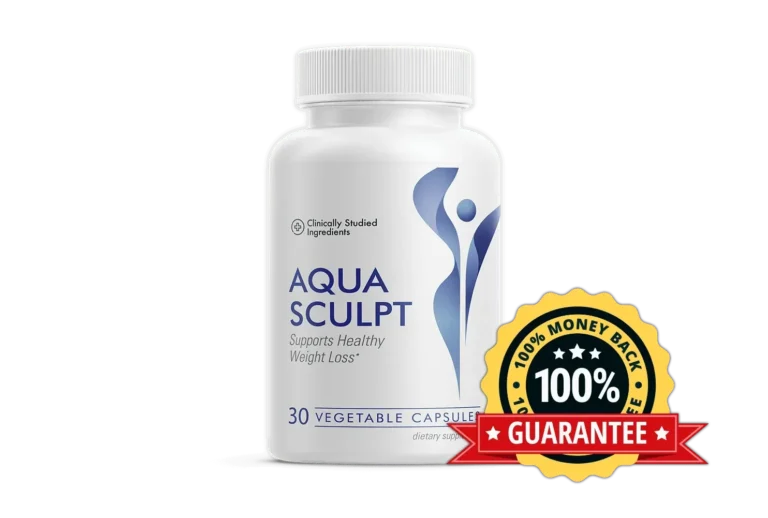
AquaSculpt represents a modern thermogenic formulation designed specifically for adults over 40, utilizing natural metabolism accelerators combined with the Ice Water Hack methodology to boost baseline calorie burn without restrictive dieting or intense exercise. When paired with consistent walking, light resistance training, or other sustainable movement, AquaSculpt enables measurable fat loss while maintaining energy and avoiding the fatigue-driven dropout common with exercise-only approaches. We recommend this combination for anyone seeking natural, sustainable weight loss without the joint strain or time burden of traditional fitness regimens.