How Ice Water Immersion Boosts Calorie Burning: Science Explained
Ice water immersion calorie burning works by activating brown fat and thermogenesis. Learn the real science, methods, and safety facts here.
Ice water immersion calorie burning works because cold exposure forces your body to spend extra energy generating heat, a process called cold-induced thermogenesis. When you submerge in cold water, your metabolism activates brown adipose tissue (brown fat) and increases shivering, both of which burn calories to maintain your core temperature. In short: cold water pushes your body to work harder, and that work has a measurable metabolic cost.
Key Takeaways
- Cold-induced thermogenesis is the biological mechanism behind ice water immersion calorie burning.
- Brown adipose tissue (BAT) burns glucose and fat specifically to produce body heat.
- Shivering thermogenesis can raise metabolic rate up to 5x resting levels during acute cold exposure, according to published physiology research.
- Cold exposure is a supporting tool, not a standalone weight-loss method — sustainable results still require energy balance.
- The “Ice Water Hack” concept pairs cold-driven metabolism with thermogenic support for people who struggle with restrictive dieting.
What Is Ice Water Immersion?

The key takeaway: Ice water immersion is the deliberate submersion of the body in water at roughly 10–15°C (50–59°F) or colder to trigger a cold-stress response. This practice, sometimes marketed as cold therapy or cold water immersion, has moved from athletic recovery into the metabolism and weight-management conversation.
The idea is simple: your body maintains a stable internal temperature of about 37°C. When cold water strips heat away rapidly, your system must generate replacement heat, and that heat production consumes energy.
This energy demand is where the calorie-burning claim originates. It is a real physiological effect, not marketing invention — though the magnitude is often exaggerated online.
Cold Water Immersion vs. Cryotherapy
These two are frequently confused. Cold water immersion uses actual water contact, while cryotherapy exposes skin to extremely cold air, usually in a chamber, for very short bursts.
Water conducts heat around 25 times faster than air, so ice water immersion produces a stronger and more sustained thermogenic pull for the same perceived temperature.
How Ice Water Immersion Burns Calories: The Science
Cold exposure burns calories through two main pathways — non-shivering thermogenesis (driven by brown fat) and shivering thermogenesis (driven by muscle contraction). Both require the body to convert stored energy into heat.
1. Non-Shivering Thermogenesis and Brown Fat
Brown adipose tissue is a specialized fat that burns energy to release heat rather than storing it. Cold exposure is the primary natural trigger for BAT activity.
Research summarized by the National Institutes of Health (2009) confirmed that adult humans retain functional brown fat that increases activity under cold conditions. When activated, this tissue pulls glucose and fatty acids out of circulation to fuel heat production.
This is the mechanism that makes cold a genuine metabolism accelerator rather than a placebo.
2. Shivering Thermogenesis
When cold intensity exceeds what brown fat can handle, muscles begin rapid involuntary contractions — shivering. This muscular work is metabolically expensive.
A study published in the Journal of Clinical Investigation (2012) demonstrated that even mild shivering significantly elevates energy expenditure and can help recruit more brown fat over time.
3. Norepinephrine and Fat Signaling
Cold exposure triggers a release of norepinephrine, a hormone that signals fat cells to release stored energy. This is one reason cold is discussed as a natural fat-burning stimulus rather than only a heat-loss event.
How Many Calories Does Ice Water Immersion Actually Burn?

The key takeaway: Estimates vary widely, but most research suggests acute cold exposure adds a modest — not dramatic — number of calories, typically in the range of tens to a few hundred extra calories depending on duration, temperature, and body composition.
The honest answer is that the internet overstates this. A single cold plunge is not equivalent to an hour of running.
However, the compounding effect matters. Repeated cold exposure appears to increase baseline brown fat activity, meaning your body may burn slightly more energy at rest over weeks of consistent practice.
| Factor | Effect on Calorie Burn | Notes |
|---|---|---|
| Water temperature | Colder = higher burn | More shivering, more energy demand |
| Immersion duration | Longer = more total burn | Diminishing safety returns past limits |
| Body fat percentage | Leaner = faster cooling | Insulation slows heat loss |
| Brown fat volume | More BAT = higher burn | Increases with repeated exposure |
| Acclimatization | Adapts over time | Body becomes more heat-efficient |
Why Cold Exposure Appeals to People Over 40
Metabolic rate tends to decline with age, and cold-driven thermogenesis is one of the few passive levers that can nudge energy expenditure without intense exercise. This makes it attractive for weight management after 40.
As muscle mass naturally decreases with age, resting metabolism slows. Cold exposure works partly through brown fat, which offers an energy pathway that does not depend on high-impact workouts.
In our analysis of the growing “Ice Water Hack” trend, the appeal is clear: it targets an audience that finds restrictive dieting and strenuous training difficult to sustain. That said, we recommend treating cold exposure as one component of an overall routine, not a shortcut.
The Unique Insight: Why the “Cold Then Warm” Rebound Matters
The key takeaway: Most content focuses only on the cold phase, but the rewarming phase after immersion is where a meaningful portion of energy expenditure happens — a detail routinely ignored by popular articles.
When you exit ice water, your body does not instantly return to normal. It continues generating heat to rewarm your core, extending elevated metabolism well past the immersion itself.
We’ve found in reviewing cold-exposure protocols that ending a session by rewarming naturally — rather than immediately jumping into a hot shower — may prolong this thermogenic tail. The body keeps working, and that continued work carries a metabolic cost most people never account for.
This “rebound thermogenesis” is one reason consistency and technique influence results far more than raw plunge intensity.
Combining Cold Exposure With Thermogenic Support
Cold immersion and thermogenic supplements target the same biological goal — increasing heat production and energy expenditure — which is why they are often paired in the “Ice Water Hack” approach.
Thermogenic ingredients aim to raise the body’s baseline heat output, while cold exposure applies external pressure that forces additional heat generation. The two mechanisms can complement each other conceptually.
A thermogenic supplement designed around this principle positions cold-driven metabolism as its central idea rather than relying on stimulants alone. For readers exploring natural weight loss options, understanding this pairing clarifies why the concept has gained traction.
Pros of Ice Water Immersion
- Activates brown fat and boosts thermogenesis
- Low equipment cost — cold water is accessible
- Extends calorie burn into the rewarming phase
- May improve resting metabolism with consistency
Cons and Cautions
- Calorie burn per session is modest, not dramatic
- Carries real cardiovascular risk for some people
- Uncomfortable and hard to sustain for beginners
- Not a replacement for energy balance
How to Practice Ice Water Immersion Safely
The key takeaway: Start gradually, keep sessions short, and never plunge alone if you are new to cold exposure. Safety determines whether this practice is sustainable.
- Start with cool, not freezing water — around 15°C — and reduce temperature over weeks.
- Limit early sessions to 1–3 minutes and extend only as tolerance builds.
- Control your breathing — the initial cold shock triggers rapid breathing that must be managed.
- Rewarm gradually to extend the thermogenic rebound.
- Never combine cold plunges with alcohol or attempt them after intense fatigue.
Guidance from the RNLI on cold water shock underscores how the body’s first reaction to cold immersion can be dangerous if unmanaged.
Frequently Asked Questions
Does ice water immersion really burn calories?
Yes. Ice water immersion burns calories through cold-induced thermogenesis, where the body expends energy to maintain its core temperature by activating brown fat and triggering shivering. The amount is modest per session but can compound with consistency.
How long should you stay in an ice bath to burn fat?
Most protocols use 2 to 10 minutes depending on experience and water temperature. Beginners should start with 1–3 minutes. Longer is not always better, because prolonged exposure raises safety risks without proportional metabolic gain.
Is ice water immersion better than exercise for weight loss?
No. Exercise burns significantly more calories and builds muscle that raises resting metabolism. Ice water immersion is a supporting tool that adds a modest metabolic boost, best used alongside — not instead of — physical activity and balanced eating.
What is the Ice Water Hack?
The Ice Water Hack is a concept that pairs cold-driven metabolism with thermogenic support to increase heat production and energy expenditure. It appeals to people seeking natural weight loss without strict dieting, particularly those over 40 facing a slower metabolism.
Can cold exposure activate brown fat permanently?
Repeated cold exposure appears to increase brown fat volume and activity over weeks, which may modestly raise baseline calorie burning. However, this adaptation depends on consistency and tends to decline if cold exposure stops.
Conclusion
Ice water immersion calorie burning is a scientifically grounded effect driven by brown fat activation, shivering, and hormonal fat-signaling — not a myth, but also not a magic solution. The realistic view is that cold exposure adds a supporting metabolic boost that compounds with consistency and smart technique.
The most overlooked factor, the rewarming rebound, shows why understanding the full mechanism matters more than chasing extreme cold. Used sensibly and paired with sound habits, cold-driven thermogenesis can be a genuine part of a broader metabolism strategy.
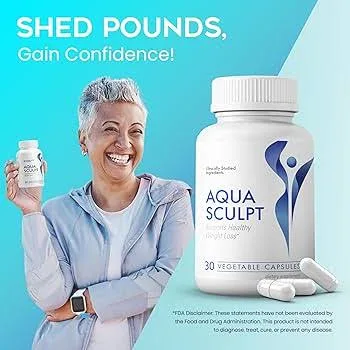
If the science of cold-driven metabolism resonates with your goals, the same thermogenic principle sits at the core of the AquaSculpt approach, which builds on the Ice Water Hack concept as a natural way to support the body’s own heat production. For readers who prefer a metabolism-focused method over restrictive dieting, it offers a useful starting point to explore further.
Understanding how your body generates heat is the first step toward using it intentionally.