If you're a woman over 50 who has tried everything — cutting calories, walking every day, giving up dessert — and the scale still won't budge, you are not failing. Your body has changed in a way that most diet advice completely ignores. At the center of this change is something called sarcopenia: the gradual, silent loss of muscle mass that accelerates sharply after menopause. Understanding this process — and how it directly wrecks your metabolism — may be the single most important step you take toward finally losing the weight you've been fighting.
In 2026, sarcopenia has become one of the most talked-about topics in women's health and metabolic science. Researchers, physicians, and wellness experts are calling it a "hidden epidemic" — invisible on the surface, but silently responsible for the stubborn weight gain, fatigue, and metabolic slowdown that millions of women experience in their 50s, 60s, and beyond. The good news: once you understand what's happening, there are real, evidence-backed steps you can take to reverse it.
What Is Sarcopenia — and Why Is Everyone Talking About It?
Sarcopenia is the medical term for age-related muscle loss. The word comes from the Greek for "loss of flesh," and it describes the progressive decline in skeletal muscle mass, strength, and function that occurs as we age. While muscle loss begins as early as your 30s, the rate of decline accelerates dramatically after menopause — when estrogen levels drop and the body's ability to build and maintain muscle tissue is severely compromised.
Here's what makes sarcopenia so dangerous for women trying to lose weight: muscle is your body's primary metabolic engine. Every pound of muscle you carry burns calories around the clock — even when you're sitting still, sleeping, or watching television. When you lose muscle, you don't just lose strength. You lose metabolic power.
According to WebMD's medically reviewed data on metabolism after 50, women can lose up to 15% of their muscle mass by age 60 if they're not actively working to preserve it. That loss directly corresponds to burning hundreds fewer calories every single day — which is why the same diet that kept you slim at 38 may lead to steady weight gain at 55, even if nothing else has changed.
Sarcopenia isn't just about feeling weak. Every pound of muscle you lose means fewer calories burned at rest — creating a metabolic deficit that makes weight loss extremely difficult without targeted intervention.
What Dr. Gabrielle Lyon Says About Muscle, Metabolism, and Women's Weight After 50

Dr. Gabrielle Lyon, DO
Founder of the Institute for Muscle-Centric Medicine®, board-certified family physician, and NYT bestselling author of Forever Strong. Completed a research and clinical fellowship in Geriatrics and Nutritional Sciences at Washington University in St. Louis.
Featured in Women's Health, Muscle & Fitness, Harper's Bazaar | Host of The Dr. Gabrielle Lyon ShowDr. Gabrielle Lyon is one of the most respected voices in women's metabolic health today. As the founder of Muscle-Centric Medicine® and the author of the bestselling book Forever Strong — now translated into more than 20 languages — she has built her entire practice around a radical but evidence-backed idea: that the obesity crisis isn't just a fat problem. It's a muscle problem.
"Maybe it's not just a fat problem," Dr. Lyon has explained in her widely shared talks. "Maybe on the flip side of the coin, it's a muscle problem — because it's actually a metabolic problem, and at the root is skeletal muscle."
This perspective is transforming how women over 50 think about weight loss. Rather than obsessing over calories in versus calories out, Dr. Lyon advocates for prioritizing muscle health as the foundation of metabolic function. Her research and clinical work consistently show that women who focus on building and maintaining lean muscle — through resistance training and adequate protein intake — experience dramatically better metabolic outcomes than those who rely on caloric restriction alone.
In a 2026 interview for SHE MD, Dr. Lyon described a pattern she sees repeatedly in clinical practice: "A mid-50s woman who had done everything right — exercised and dieted — had imaging that revealed significant muscle loss despite appearing to maintain her weight. The scale number hadn't changed, but her body composition had shifted from muscle to fat." This phenomenon, sometimes called "sarcopenic obesity," is far more common than most women — or even their doctors — realize.
📚 Research Highlight
A 2025 network meta-analysis published in Nutrients (Yan et al.) analyzed 21 randomized controlled trials involving over 1,200 older women with sarcopenia. The study found that combined exercise and nutritional interventions produced the strongest results for improving muscle strength, walking speed, and lean muscle mass — significantly outperforming either intervention alone. The key nutritional driver? Adequate protein and targeted metabolic support.
How Muscle Loss Connects to the Weight Problem Women Over 50 Can't Shake
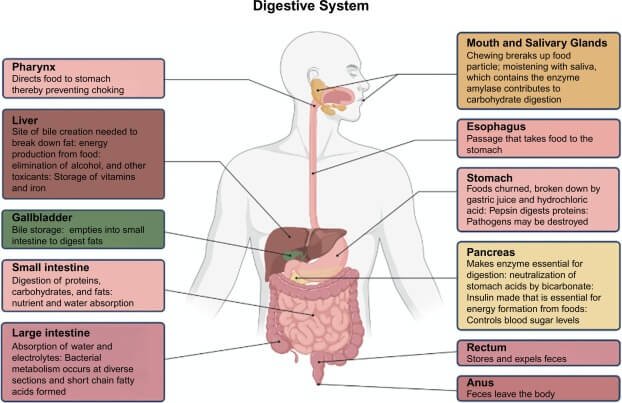
To understand why muscle loss causes the kind of weight gain that's so hard to reverse, it helps to think about what muscle actually does inside your body. Skeletal muscle is your body's largest organ — and it's one of the most metabolically active tissues you have. It acts as a glucose sink, pulling blood sugar out of circulation after meals. It drives fat oxidation during exercise and at rest. It regulates key hormones involved in appetite, energy storage, and inflammation.
When estrogen levels drop during perimenopause and menopause, the body becomes increasingly resistant to the anabolic signals that normally tell muscle to maintain and rebuild itself. This "anabolic resistance" means that even women who exercise regularly may find their muscle mass declining — because their bodies are no longer responding to exercise and dietary protein the way they once did.
The Cascade Effect: How One Problem Becomes Many
The consequences of muscle loss ripple outward in ways that compound the weight problem:
- Lower resting metabolism: With less metabolically active muscle tissue, your body requires fewer calories to function — but your appetite doesn't necessarily decrease to match. The result is gradual, frustrating weight gain even without changing eating habits.
- Increased fat storage: As muscle mass declines, the body becomes more efficient at storing incoming calories as fat — particularly around the abdomen, where visceral fat accumulates and drives systemic inflammation.
- Reduced insulin sensitivity: Muscle is one of the primary sites where insulin drives glucose uptake. Less muscle means poorer blood sugar regulation, which increases cravings, energy crashes, and the tendency to store fat.
- Less energy for activity: Weaker muscles mean lower endurance and less motivation to exercise — creating a downward spiral where inactivity accelerates the very muscle loss that's making you tired.
Muscle loss doesn't just slow your metabolism. It triggers a cascade of hormonal and metabolic changes — reduced insulin sensitivity, increased fat storage, lower energy — that make traditional weight loss approaches far less effective after 50.
Why AquaSculpt™ Aligns With This Metabolic Approach
When the science points toward metabolism as the core issue — not calories, not willpower — it changes what kind of nutritional support actually makes sense. This is where AquaSculpt™ fits into the picture for many women over 50.
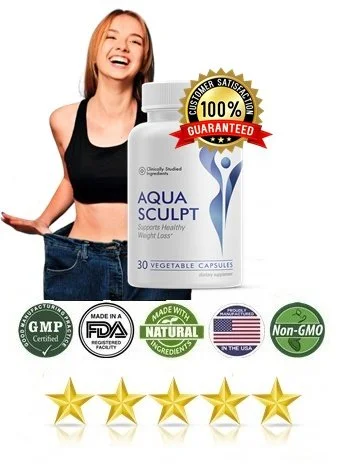
AquaSculpt™ is formulated with ingredients that target several of the same metabolic pathways disrupted by age-related muscle loss. While no supplement replaces resistance training or adequate protein, AquaSculpt's blend of thermogenic and metabolic-support compounds works to create a more favorable internal environment for fat burning — even as the body faces the natural metabolic headwinds of aging.
Key ingredients include:
- EGCG (Green Tea Extract): One of the most well-researched thermogenic compounds in nutrition science, EGCG has been shown to increase fat oxidation and improve metabolic rate — addressing the calorie-burning deficit left by muscle loss.
- L-Carnitine: An amino acid derivative that plays a critical role in transporting fatty acids into the mitochondria where they're burned for energy. L-Carnitine levels decline with age, making supplementation particularly relevant for women over 50.
- Alpha Lipoic Acid (ALA): A potent antioxidant that also supports healthy blood sugar metabolism — addressing the insulin sensitivity issues that often accompany sarcopenic changes in body composition.
- Chromium: A trace mineral that supports glucose metabolism and helps regulate appetite by stabilizing blood sugar levels — reducing the cravings that often spike when insulin sensitivity is impaired.
- L-Theanine: Supports calm, focused energy without the jitteriness of stimulants — particularly relevant for women managing fatigue alongside their weight loss efforts.
This combination doesn't replace what muscle does — but it can support your body's metabolic function during a period when that function is under significant stress. Think of it as giving your metabolism the nutritional scaffolding it needs while you're working to rebuild the muscle that's been lost.
What Real Women Are Experiencing After 50
The shift in understanding — from "eat less and move more" to "protect your muscle and support your metabolism" — has resonated powerfully with women who have spent years frustrated by the failure of conventional weight loss advice.
Across forums, health communities, and supplement review platforms, women over 50 consistently report the same pattern: traditional diets worked for them in their 30s and early 40s, but stopped producing results after menopause. Many describe eating less than ever while still gaining weight — an experience that feels not just discouraging but deeply confusing. When they learn about sarcopenia and the metabolic role of muscle, the confusion often dissolves into clarity.
"I finally understood why nothing was working," one 58-year-old woman wrote in an online health forum. "It wasn't about eating less. It was about my body fundamentally changing how it burns calories. Once I started focusing on muscle and metabolism, everything shifted."
This growing awareness is part of why products and approaches that specifically target metabolic support — rather than generic caloric restriction — are gaining traction among women in the 50+ demographic.
Is AquaSculpt™ Right for You?
AquaSculpt™ is designed for adults over 40 who are experiencing the kind of metabolic slowdown that characterizes age-related muscle loss and hormonal change. It's not a magic solution — but for women who are already working on the fundamentals (adequate protein, some form of resistance activity, reduced processed foods) and want additional metabolic support, it fills a meaningful gap.
Every bottle of AquaSculpt™ is backed by a 60-day money-back guarantee. If you try it and don't feel it's supporting your goals, you get a full refund — no questions asked. It's manufactured in an FDA-registered, GMP-certified facility in the United States, using natural, non-GMO ingredients.
🛒 Try AquaSculpt™ — Only $39/Bottle | 60-Day GuaranteeFrequently Asked Questions
Why do women over 50 gain weight even when they eat less?
After 50, declining estrogen accelerates muscle loss. Since muscle is the body's primary calorie-burning tissue, losing it lowers your resting metabolic rate — meaning your body burns 200–300 fewer calories daily even if your eating habits haven't changed. Cutting calories alone rarely works at this stage because the underlying metabolic engine has slowed.
What is sarcopenia and why does it cause weight gain?
Sarcopenia is the age-related loss of skeletal muscle mass. Starting around age 30, women lose 3–8% of muscle per decade — and this accelerates sharply after menopause. Less muscle means a slower metabolism, more fat storage, less energy, and greater difficulty losing weight through conventional approaches.
Can you reverse muscle loss after 50?
Yes. Research consistently shows that muscle can be rebuilt at any age. The combination of resistance training, adequate protein intake (roughly 1.0–1.2g per kilogram of body weight daily), and targeted nutritional support has been proven to slow, stop, and even reverse sarcopenia in women over 50. It requires consistent effort — but it is absolutely achievable.
How does AquaSculpt™ support metabolism in women over 50?
AquaSculpt™ combines thermogenic ingredients — EGCG (green tea extract), L-Carnitine, and Alpha Lipoic Acid — to help boost metabolic rate, support fat oxidation, and address the blood sugar dysregulation that often accompanies age-related muscle loss. It works best as part of a broader lifestyle approach that includes movement and adequate protein.
Ready to Reignite Your Metabolism?
AquaSculpt™ is formulated for women over 40 facing the metabolic changes of aging — with a 60-day money-back guarantee so there's no risk in trying it.
🛒 Order AquaSculpt™ — Only $39/Bottle*These statements have not been evaluated by the Food and Drug Administration. This product is not intended to diagnose, treat, cure, or prevent any disease. Results may vary. This article is for informational purposes only and does not constitute medical advice. Consult your healthcare provider before starting any new supplement.