For most people, fat is fat — the stuff you want less of. But that view misses a fundamental distinction that could completely change how you approach weight loss. Not all fat tissue is created equal. The discovery of functionally active brown fat in adult humans — confirmed by landmark research published in the New England Journal of Medicine in 2009 — opened a new chapter in metabolic science, one that most mainstream weight loss advice still hasn't caught up with.
Here's the short version: brown fat burns calories. White fat stores them. And the ability to activate your brown fat — a process called thermogenesis — may be one of the most powerful and underutilized levers available for sustainable fat loss, particularly for adults over 40 whose conventional metabolic tools are losing their edge.
In This Article
- Brown Fat vs White Fat: The Fundamental Difference
- What Is Beige Fat? The Third Type You Need to Know
- The Science of BAT: What the Research Actually Shows
- How to Activate Brown Fat: Proven Methods
- Cold Exposure: The Most Powerful BAT Activator
- Thermogenic Compounds That Amplify BAT
- The Ice Water Hack Protocol Explained
- How AquaSculpt™ Leverages BAT Science
- Frequently Asked Questions
Brown Fat vs White Fat: The Fundamental Difference
⬜ White Fat (WAT)
- Stores energy as lipid droplets
- Single large fat droplet per cell
- Few mitochondria (metabolically inert)
- Insulates the body
- Produces adipokines that influence metabolism
- Excess = weight gain, inflammation
- Subcutaneous (under skin) and visceral (around organs)
🟤 Brown Fat (BAT)
- Burns energy to generate heat (thermogenesis)
- Multiple small fat droplets per cell
- Densely packed with mitochondria
- Highly metabolically active
- Activated by cold, norepinephrine, certain compounds
- More BAT = faster metabolism, better body composition
- Located in neck, upper back, collarbone area
The critical difference is mitochondrial density. Mitochondria are the cellular powerhouses that convert fuel into energy — and brown fat cells contain dramatically more of them than white fat cells. This abundance of mitochondria is what gives brown fat its characteristic color (iron-rich mitochondria appear brown under microscopy) and its extraordinary metabolic capacity.
Within BAT mitochondria, a specialized protein called uncoupling protein 1 (UCP1) — also called thermogenin — plays a central role. When activated, UCP1 uncouples the mitochondrial respiratory chain from ATP synthesis, releasing the energy as heat instead of storing it. This is the biochemical mechanism of thermogenesis: calorie combustion that generates warmth rather than stored energy.
📚 The 2009 Landmark Discovery
Three independent studies published simultaneously in the New England Journal of Medicine in 2009 confirmed what researchers had long suspected: adult humans have functional brown adipose tissue that is metabolically active. Using PET-CT scanning (which detects glucose uptake, a proxy for metabolic activity), all three studies demonstrated that BAT is present, activated by cold, and significantly more active in leaner individuals. This overturned the long-held assumption that BAT was only physiologically relevant in newborns. (NEJM: PMC2699822)
What Is Beige Fat? The Third Type You Need to Know

Beyond white and brown fat, researchers have identified a third distinct type: beige fat, also called "brite" fat (brown-in-white). Beige fat develops within white adipose tissue — specifically in subcutaneous fat deposits — in response to specific stimuli, most notably chronic cold exposure.
When beige fat forms, white fat cells essentially transform: they develop multiple small lipid droplets, increase their mitochondrial density, and begin expressing UCP1 — acquiring the thermogenic capabilities of brown fat. This biological process is called "fat browning" or "transdifferentiation," and it represents one of the most exciting frontiers in metabolic research.
Why does this matter for weight loss? Because the total mass of traditional BAT in adults is relatively modest — estimates range from a few grams to 100–200g in highly active individuals. But beige fat can form throughout the body's subcutaneous fat depots, which are considerably larger. The ability to "brown" a meaningful portion of your white fat represents a substantial potential metabolic upgrade.
Research published in Nature Medicine and Cell Metabolism has confirmed that repeated cold exposure promotes beige fat development, and that certain signaling pathways (activated by cold, exercise, and specific compounds) drive the browning process. EGCG from green tea, capsaicin, and certain amino acids have been shown to promote fat browning in preclinical studies, with emerging clinical support. (NIH: PMC5425773)
The Science of BAT: What the Research Actually Shows
Brown fat's per-gram metabolic rate is extraordinary — far exceeding that of skeletal muscle (which is itself considered highly metabolically active). A Maastricht University study found that adults with detectable BAT activity had significantly lower body fat percentages and better metabolic profiles compared to those without detectable BAT, even after controlling for physical activity and caloric intake.
| Factor | Effect on BAT Activity | Evidence Level |
|---|---|---|
| Cold exposure | Strongly activates BAT via sympathetic nervous system and norepinephrine release | High (multiple RCTs) |
| EGCG (green tea catechins) | Inhibits COMT enzyme, extending norepinephrine half-life and BAT activation duration | Moderate-High |
| Exercise | Releases irisin (muscle hormone that promotes fat browning) | Moderate |
| Aging | Reduces BAT mass and activity (accelerates after 40) | High |
| Obesity | Suppresses BAT activity; creates a negative feedback loop | High |
| Caloric restriction alone | Minimal direct effect on BAT; can reduce thermogenesis if severe | Moderate |
This data reveals a crucial insight: conventional calorie restriction doesn't activate BAT — and may even suppress thermogenesis. This is one reason why aggressive dieting often produces diminishing returns: the body adapts by reducing its metabolic rate, including thermogenic activity. A targeted thermogenesis approach preserves and enhances this metabolic pathway rather than suppressing it.
How to Activate Brown Fat: Proven Methods
BAT activation follows a specific biological cascade. The primary trigger is the sympathetic nervous system (SNS): when cold is detected, the SNS releases norepinephrine, which binds to β3-adrenergic receptors on BAT cells, activating UCP1 and initiating thermogenesis. Understanding this cascade reveals exactly where interventions can amplify the signal.
🧊 Cold Exposure — The Primary Trigger
Cold is the most potent and well-documented BAT activator. Temperatures between 60–68°F (15–20°C) are sufficient to initiate thermogenesis; more intense cold (cold showers, cold plunges, cold water consumption) produces a stronger and faster response. The SNS responds to cold within seconds, releasing norepinephrine and initiating the thermogenic cascade. Even drinking cold water triggers a measurable thermogenic response — the body burns calories warming the ingested liquid to body temperature. A 500ml glass of cold water (around 4°C/40°F) has been shown to increase metabolic rate by approximately 30% for 30–40 minutes. (PubMed: PMID 16822824)
🍃 EGCG (Green Tea Catechins) — The Amplifier
Epigallocatechin gallate (EGCG), the primary bioactive catechin in green tea, extends the duration of BAT activation by inhibiting catechol-O-methyltransferase (COMT) — the enzyme that breaks down norepinephrine. When COMT is inhibited, norepinephrine stays in circulation longer, sustaining the thermogenic signal that cold exposure initiates. This is why EGCG combined with cold exposure is significantly more effective than either alone. Multiple meta-analyses have confirmed EGCG's thermogenic efficacy in human subjects. (PubMed: PMID 19597519)
🏋️ Exercise — The Irisin Pathway
Physical exercise — particularly high-intensity and resistance training — triggers the release of a myokine called irisin from skeletal muscle. Irisin has been shown to promote browning of white adipose tissue, effectively converting white fat cells toward a beige (thermogenically active) phenotype. This represents an indirect BAT activation pathway: exercise → irisin → fat browning → more thermogenic capacity. This is one of several mechanisms through which resistance training improves body composition beyond the direct calorie burn of the session itself.
😴 Quality Sleep — The Repair Window
BAT function is regulated by the autonomic nervous system, which is in turn profoundly influenced by sleep quality. Chronic sleep deprivation reduces sympathetic nervous system responsiveness, dampening the BAT activation signal. Deep sleep also promotes the release of growth hormone, which supports mitochondrial biogenesis — effectively building the cellular machinery that powers BAT. Optimizing sleep quality directly supports thermogenic capacity, making it a non-obvious but important lever for BAT activation over time.
Cold Exposure: The Most Powerful BAT Activator
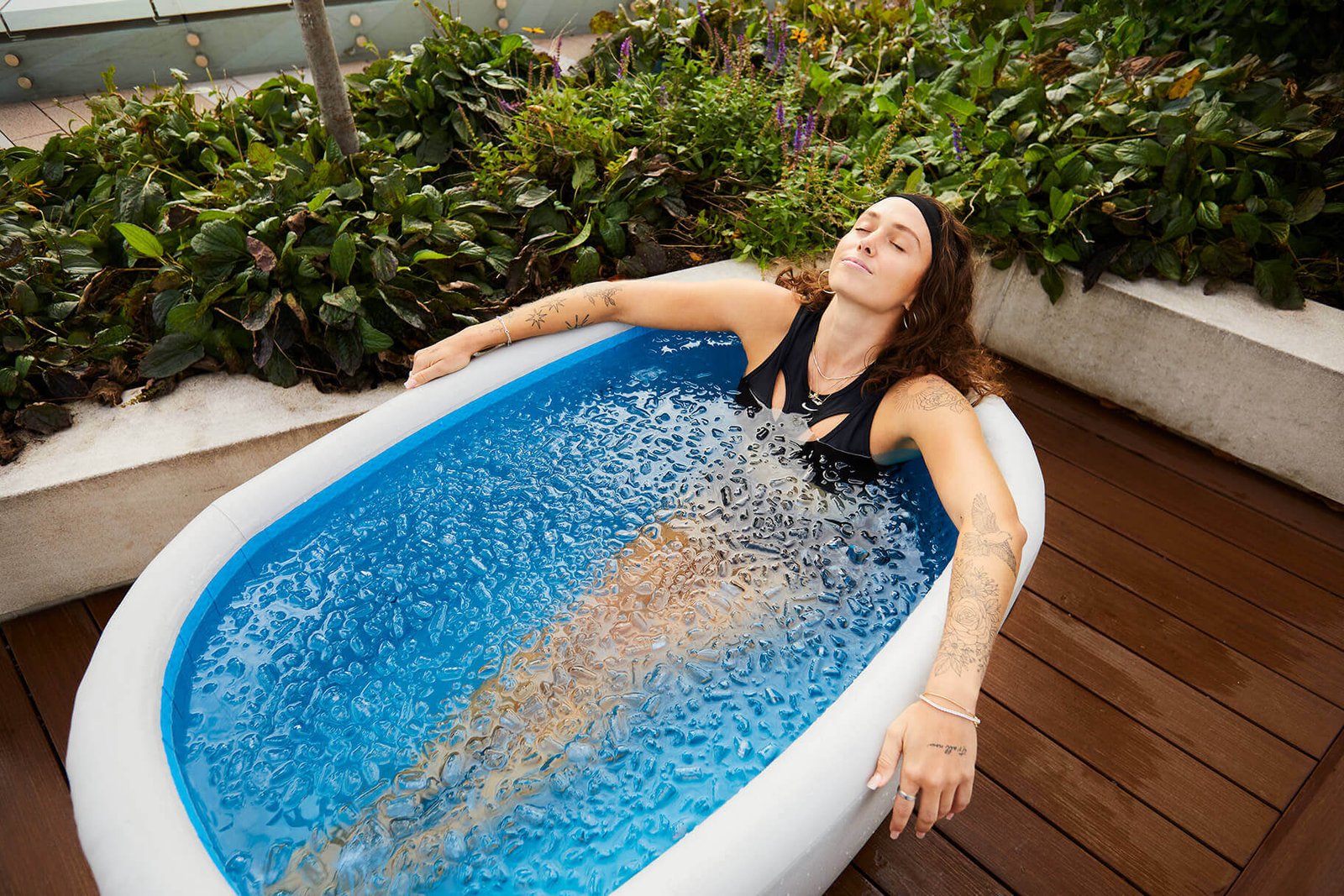
Cold exposure works on multiple levels simultaneously — making it the most efficient single intervention for BAT activation. When your body encounters cold, the response is immediate and cascading:
Cold receptors in the skin send signals to the hypothalamus, which activates the sympathetic nervous system. Norepinephrine is released systemically and locally in BAT tissue.
Norepinephrine binds to β3-adrenergic receptors on BAT cells. UCP1 (thermogenin) is activated, uncoupling the mitochondrial respiratory chain and initiating heat production.
Intracellular lipid droplets in BAT cells are hydrolyzed. Free fatty acids are released and directed into the mitochondria as fuel for thermogenic combustion.
As long as the cold or sympathetic stimulus persists (and as long as norepinephrine remains active), thermogenesis continues. EGCG extends this window by inhibiting norepinephrine breakdown.
Regular cold exposure promotes mitochondrial biogenesis in BAT, increases UCP1 expression, and drives browning of adjacent white fat. BAT capacity grows over time with consistent cold training.
📚 Cold Water and Metabolic Rate
A study in the Journal of Clinical Endocrinology & Metabolism found that drinking 500ml of water at approximately 4°C (39°F) increased metabolic rate by 30% within 10 minutes, with the effect lasting 30–40 minutes. The researchers estimated that drinking 1.5 liters of cold water daily could burn approximately 17,400 additional calories per year — equivalent to 5 pounds of fat — through this mechanism alone. (PubMed: PMID 16822824)
Thermogenic Compounds That Amplify BAT Activation
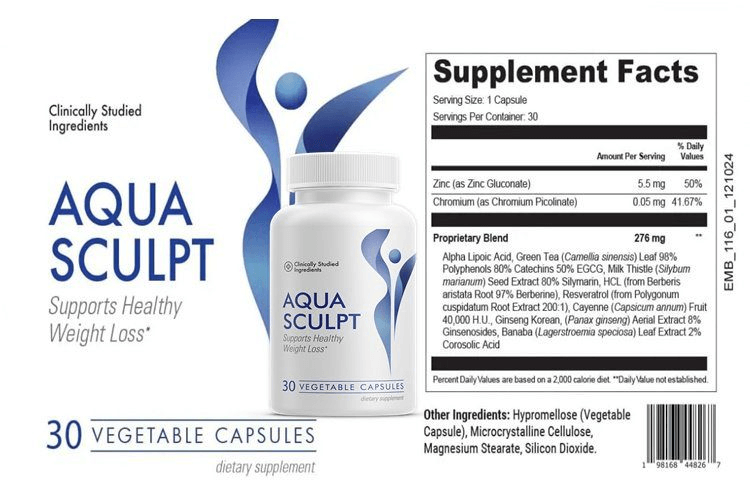
Several natural compounds have been shown to directly amplify BAT activation and thermogenic output through distinct molecular pathways.
| Compound | Primary Mechanism | BAT Effect | Clinical Evidence |
|---|---|---|---|
| EGCG Green Tea Catechin |
Inhibits COMT enzyme → extends norepinephrine activity | Prolongs and amplifies BAT activation signal | Multiple human RCTs; meta-analyses confirm thermogenic effect |
| L-Carnitine | Transports long-chain fatty acids into mitochondrial matrix | Increases fat oxidation efficiency within BAT mitochondria | Strong evidence for fat oxidation enhancement; L-Carnitine supplementation trials |
| Alpha Lipoic Acid | Improves mitochondrial function; reduces oxidative stress | Supports mitochondrial health critical to BAT function | Strong evidence for insulin sensitivity; emerging BAT support data |
| Capsaicin | TRPV1 receptor agonist → promotes sympathetic activation | Direct BAT activation; promotes fat browning | Multiple human studies; strongest evidence for acute thermogenesis |
| L-Theanine | Modulates catecholamine metabolism; reduces cortisol | Supports sustained BAT function by reducing cortisol-driven interference | Moderate evidence; strong synergistic effects with EGCG |
| Zinc | Cofactor for numerous metabolic enzymes; thyroid hormone conversion | Supports thyroid function — a key regulator of BAT activity | Moderate clinical evidence; important in zinc-deficient populations |
The Ice Water Hack Protocol Explained
The Ice Water Hack is a practical application of the brown fat science described above. It's designed to trigger BAT activation at the optimal biological moment — first thing in the morning, when the sympathetic nervous system is naturally primed — and then sustain that thermogenic signal throughout the day using compounds that extend norepinephrine activity.
❄️ The Ice Water Hack Protocol
How AquaSculpt™ Leverages BAT Science
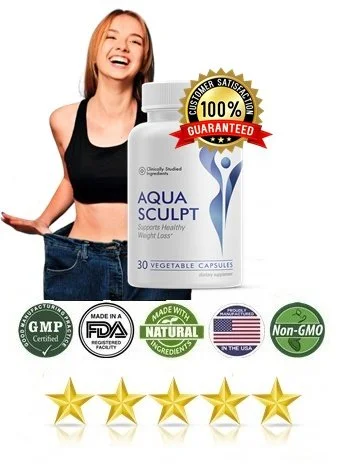
AquaSculpt™ was built directly on the brown fat science described in this article. Each ingredient was selected for its ability to enhance a specific step in the BAT activation cascade — creating a formula that works with the body's innate thermogenic biology rather than trying to override it.
Where generic thermogenic supplements focus on stimulant-driven energy expenditure (caffeine, synephrine), AquaSculpt™ targets the fundamental biology of BAT: extending the norepinephrine signal, optimizing fatty acid transport and oxidation, improving the insulin environment that enables effective fat mobilization, and reducing the cortisol interference that blunts thermogenesis in chronically stressed adults over 40.
The result is a thermogenic protocol designed to work with the cold water exposure habit — amplifying and extending a biological process your body already knows how to execute. No stimulant jitters. No dependency. Just sustained, intelligent thermogenic support throughout the day.
AquaSculpt™ is manufactured in an FDA-registered, GMP-certified facility in the United States, using 100% plant-based, non-GMO ingredients. It comes with a 60-day, money-back guarantee — giving you enough time to experience two full monthly cycles of the protocol before making any judgment.
Activate Your Brown Fat With the Ice Water Hack Protocol
AquaSculpt™ is the only formula designed specifically to amplify the BAT activation triggered by cold water exposure. Try it risk-free for 60 days.
🛒 Get AquaSculpt™ — Only $39/BottleFrequently Asked Questions
What is the difference between brown fat and white fat?
White fat (white adipose tissue, WAT) stores energy as lipid droplets and is the primary type of fat associated with weight gain. Brown fat (brown adipose tissue, BAT) is a metabolically active tissue packed with mitochondria that burns calories to generate heat through thermogenesis. Adults have functional BAT deposits in the neck, upper back, and collarbone region. The key difference: white fat stores energy, brown fat burns it.
How do you activate brown fat?
The most well-established triggers for brown fat activation are: cold exposure — temperatures of 60–65°F or cold water consumption trigger the sympathetic nervous system to release norepinephrine, the primary BAT activator. EGCG (green tea catechins) inhibits the enzyme that breaks down norepinephrine, effectively extending the BAT activation signal. L-Carnitine ensures that mobilized fatty acids are transported into mitochondria for oxidation rather than being re-stored. These mechanisms work synergistically, which is the principle behind the AquaSculpt Ice Water Hack protocol.
Can adults activate brown fat?
Yes. The landmark 2009 New England Journal of Medicine studies confirmed that functional BAT is present and active in adult humans — not just infants as previously believed. Subsequent research has confirmed that cold exposure and thermogenic compounds activate BAT in adults of all ages, including those over 50. Leaner adults tend to have more active BAT, creating a positive feedback loop where BAT activation progressively improves body composition.
What is "beige fat"?
Beige fat (also called brite fat — brown-in-white) is a distinct type of fat that develops within white adipose tissue in response to chronic cold exposure or certain signaling molecules. Beige fat cells acquire the functional characteristics of brown fat — including high mitochondrial density and thermogenic capability. The process of white fat converting to beige fat is called "browning," and repeated cold exposure plus compounds like EGCG appear to promote this process.
How many calories does activated brown fat burn?
Research estimates suggest that fully activated BAT can burn 200–500 additional calories per day in adults. However, the actual impact varies based on the amount of active BAT, the degree of activation, and the duration of the thermogenic stimulus. Cold-induced thermogenesis combined with thermogenic compounds produces a more sustained activation signal compared to cold exposure alone, potentially increasing the caloric contribution of BAT over the course of a day.
Scientific References
- Cypess AM et al. (2009). Identification and Importance of Brown Adipose Tissue in Adult Humans. New England Journal of Medicine, 360(15), 1509–1517. PMC2699822
- van Marken Lichtenbelt WD et al. (2009). Cold-Activated Brown Adipose Tissue in Healthy Men. New England Journal of Medicine, 360(15), 1500–1508. PubMed: 19357405
- Nedergaard J, Bengtsson T, Cannon B. (2007). Unexpected evidence for active brown adipose tissue in adult humans. American Journal of Physiology. PubMed: 17473064
- Boschmann M et al. (2003). Water-induced thermogenesis. Journal of Clinical Endocrinology & Metabolism, 88(12), 6015–6019. PubMed: 14671205
- Hursel R, Viechtbauer W, Westerterp-Plantenga MS. (2009). The effects of green tea on weight loss and weight maintenance: a meta-analysis. International Journal of Obesity, 33(9), 956–961. PubMed: 19597519
- Boström P et al. (2012). A PGC1-α-dependent myokine that drives brown-fat-like development of white fat and thermogenesis. Nature, 481, 463–468. PubMed: 22237023
- Cannon B, Nedergaard J. (2004). Brown adipose tissue: function and physiological significance. Physiological Reviews, 84(1), 277–359. PubMed: 14715917