Yes, drinking ice water burns a small number of extra calories. Your body spends energy warming the cold water to 37°C (98.6°F) and processing it — a measurable effect called water-induced thermogenesis. Peer-reviewed research found that drinking 500 ml of water raised metabolic rate by about 30% and burned roughly 24 calories over the next hour, with about 40% of that coming from warming the water. The catch: the effect is real but modest, so cold water is a useful supporting habit — not a standalone weight-loss method. Below is exactly how many calories, why it works, and how to use it correctly after 40.
In This Article
- Does Ice Water Burn Calories? The Direct Answer
- How Many Calories Does Cold Water Burn?
- How Water-Induced Thermogenesis Works
- Cold Water vs. Warm Water: Does Temperature Matter?
- Cold Water, Brown Fat & Cold Exposure
- What Actually Drives Weight Loss (The Honest Part)
- Why This Matters More After 40
- Where AquaSculpt™ Fits In
- A Realistic Cold-Water Protocol
- Frequently Asked Questions
- References
Does Ice Water Burn Calories? The Direct Answer
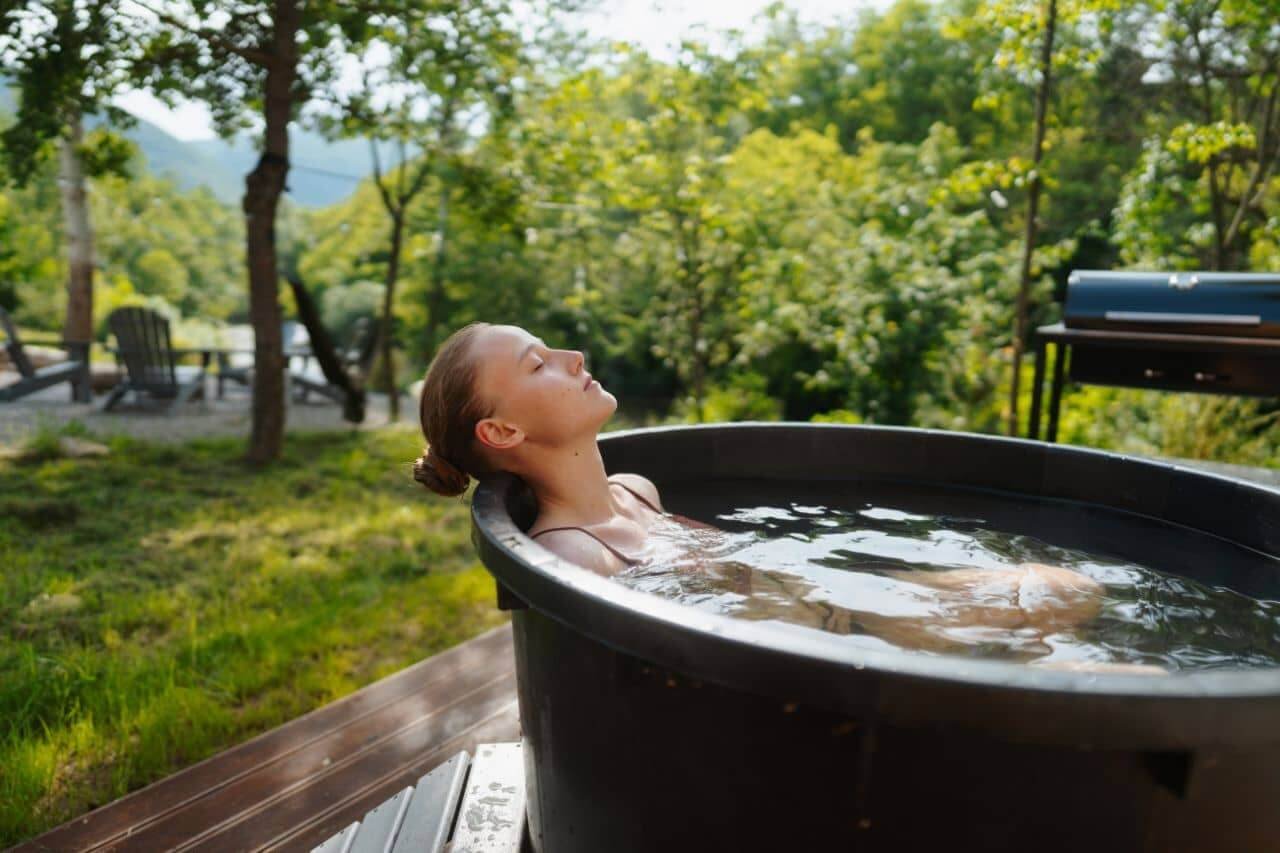
Yes — but not for the reason most people think, and not in the amount most marketing implies. When you drink cold water, your body has to do two things that cost energy: warm the water to your core temperature of roughly 37°C (98.6°F), and process the fluid through osmosensitive pathways. Both raise your metabolic rate for a short window. Scientists call this combined effect water-induced thermogenesis, and it has been measured directly in controlled laboratory studies.
The most-cited evidence comes from a 2003 study by Boschmann and colleagues in the Journal of Clinical Endocrinology & Metabolism. Using whole-room calorimetry, they found that drinking 500 ml of water increased metabolic rate by about 30%, beginning within 10 minutes and peaking at 30–40 minutes. The total extra energy burned was roughly 100 kJ — about 24 calories — and about 40% of that came specifically from warming the water from room temperature to body temperature.
How Many Calories Does Cold Water Actually Burn?
Here is the part the headlines usually skip: the calorie burn is small, and it depends on volume and temperature. The table below summarizes what the research actually measured.
| Scenario | What the study measured | Source |
|---|---|---|
| 500 ml water (normal-weight adults) | +30% metabolic rate; ~24 kcal over 60 min; ~40% from warming | Boschmann et al., 2003 |
| 500 ml water (overweight/obese adults) | +24% energy expenditure over 60 min; saline had no effect | Boschmann et al., 2007 |
| Water cooled to 3°C vs. body temp | Only ~15 kJ (~3.6 kcal) extra over 90 min from the cold itself | Brown et al., 2006 |
| +1.5 L of water per day | Projected ~200 kJ/day (~48 kcal/day) of added expenditure | Boschmann et al., 2003 |
So a single glass of ice water burns somewhere in the range of 8–24 extra calories, and only a few of those calories come specifically from the cold. To put that in perspective: 24 calories is roughly the energy in a single almond. Helpful as a daily habit that adds up — but no one is melting away fat from temperature alone.
📚 Research Highlight
It's worth being precise about a common myth. The biggest part of water-induced thermogenesis is not the cold — it's the body's osmosensitive response to the fluid itself. Boschmann's 2007 follow-up found that 500 ml of plain water raised energy expenditure by 24%, while the same volume of isoosmotic saline produced no effect at all. Temperature adds a little on top, but the water itself is doing most of the work.
How Water-Induced Thermogenesis Works
Thermogenesis simply means "heat production," and your body does it constantly to hold a stable core temperature. There are three broad pathways:
- Obligatory thermogenesis — the baseline energy of staying alive (breathing, circulation, organ function).
- Diet-induced thermogenesis — the energy cost of digesting food, about 10% of daily calories.
- Adaptive thermogenesis — heat generated in response to the environment, including cold and the act of drinking water.
Drinking cold water taps into that third pathway through two mechanisms. First, heat transfer: physics dictates that warming 500 ml of near-freezing water to 37°C requires energy, and your body supplies it. Second, osmosensitive signaling: researchers believe receptors in the portal/hepatic system detect the sudden drop in fluid osmolality and trigger a sympathetic-nervous-system response that briefly increases energy expenditure and fat oxidation. In Boschmann's work, lipid (fat) oxidation rose notably in the period after drinking — particularly in men.
Cold Water vs. Warm Water: Does Temperature Matter?
Logically, colder water should burn slightly more calories, because there is a bigger temperature gap to close. The research agrees — but the difference is smaller than you'd expect. In a 2006 study titled Water-Induced Thermogenesis Reconsidered, drinking water chilled to 3°C raised resting energy expenditure by only about 15 kJ (~3.6 calories) over 90 minutes versus body-temperature water. That study also calculated that the theoretical energy to heat 500 ml of water is around 30 kJ.
The practical takeaway: cold water is marginally better than warm water for calorie burn, but if you dislike ice water, the difference is too small to force it. Drink water at whatever temperature gets you to drink more of it, consistently.
Cold Water, Brown Fat & Cold Exposure
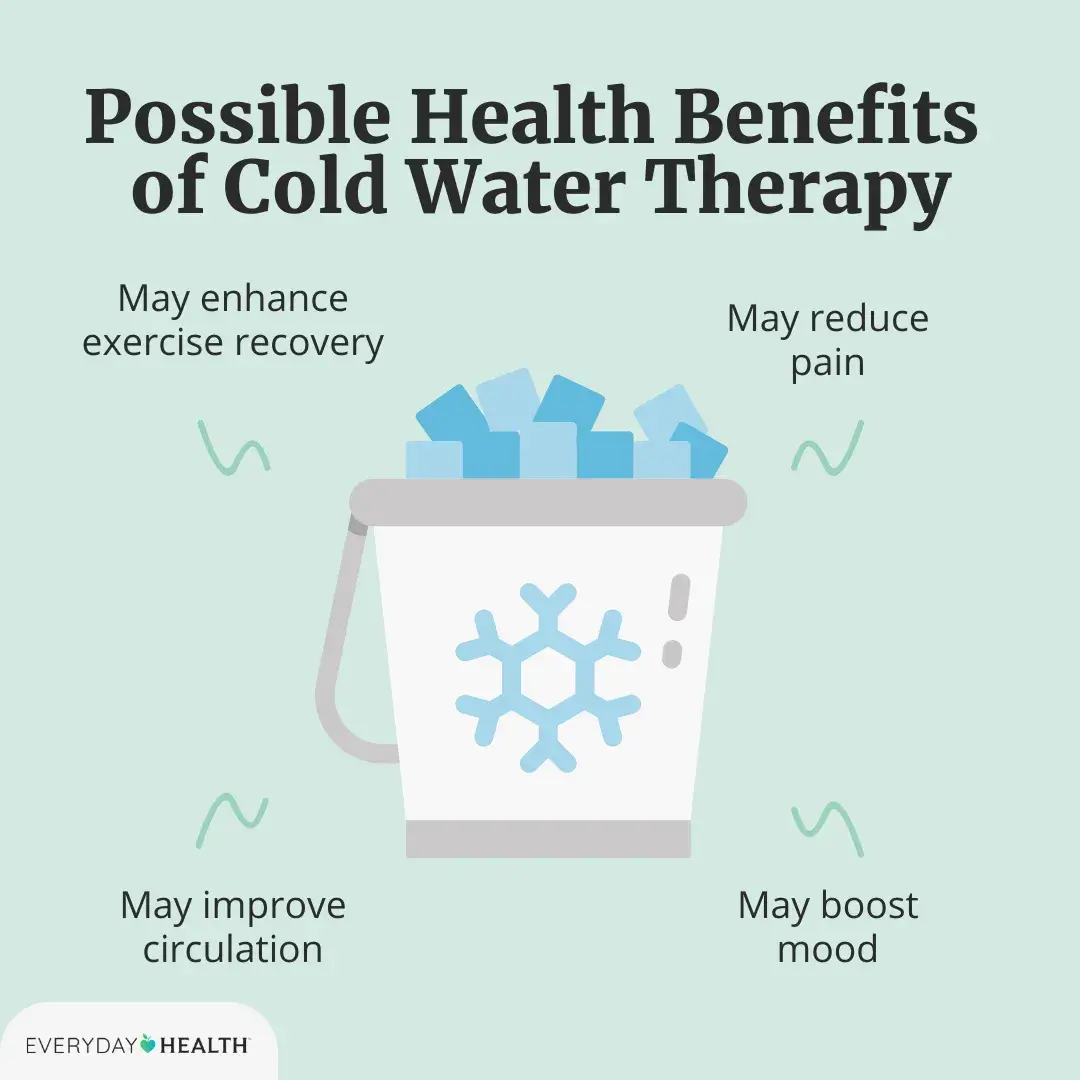
You'll often see "ice water" claims tangled up with brown adipose tissue (BAT), or "brown fat" — a metabolically active tissue that burns calories to generate heat. Brown fat is real, and since its rediscovery in adults in 2009, studies confirm that cold exposure can activate it and raise energy expenditure. A 2024 systematic review of randomized and non-randomized trials found measurable metabolic effects of cold-induced BAT activity in humans.
But an important distinction matters here: the strong brown-fat activation in those studies comes from external whole-body cold exposure — cold showers, cold plunges, cooled suits — not from drinking a glass of cold water. Drinking ice water produces a milder, mostly internal response. And animal studies add a caution: mice exposed to cold burned more energy but simply ate more to compensate, with no net fat loss. In other words, your appetite can quietly cancel out the extra burn if you let it.
What Actually Drives Weight Loss From Water (The Honest Part)
If the calorie burn from cold itself is small, why do so many people report that drinking more water helps them lose weight? Because water's biggest weight-loss benefit isn't thermogenesis at all — it's appetite and intake.
- Water before meals reduces how much you eat. In a randomized controlled trial in middle-aged and older adults, those who drank 500 ml of water before each meal on a reduced-calorie diet lost about 2 kg more over 12 weeks than those who didn't (Dennis et al., 2010).
- It replaces liquid calories. Swapping sugary drinks for water removes a major hidden calorie source.
- Hydration supports fat metabolism. Even mild dehydration can blunt lipolysis (fat breakdown) and make you feel hungrier when you're actually thirsty.
Cold water "burning calories" is true but tiny. The reliable wins are: drink water before meals to eat less, stay consistently hydrated, and treat the cold-water habit as a small bonus on top of diet, movement, and sleep — not as the main event.
Why This Matters More After 40
Metabolism is more stable through midlife than the "everything slows at 30" myth suggests — but real changes do accumulate, especially around and after menopause for women. Lean muscle mass tends to decline with age, and muscle is metabolically expensive tissue, so losing it lowers your daily calorie burn. Hormonal shifts (declining estrogen and testosterone) and reduced insulin sensitivity make stubborn fat — particularly around the midsection — harder to shift with the same habits that worked at 30.
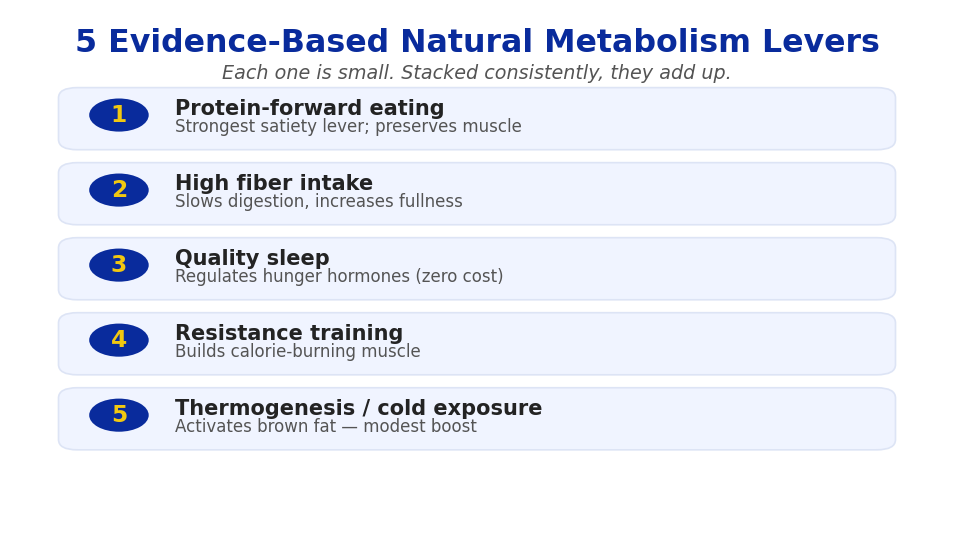
This is exactly why small, sustainable levers become valuable after 40. You're not going to out-train a slower metabolism with extreme measures that you can't maintain. Stacking modest, consistent habits — premeal water, adequate protein to protect muscle, daily movement, good sleep, and yes, a thermogenic nudge — is the realistic path.
Where AquaSculpt™ Fits In
AquaSculpt™ is built around this exact idea: take one capsule with a glass of cold water as part of a daily routine. The cold-water habit provides a small thermogenic nudge and the premeal-water benefit; the formula is intended to support metabolism using ingredients that have been studied for modest thermogenic and metabolic effects — for example green tea extract (EGCG), which has research behind it for fat oxidation, and minerals like chromium that play a role in normal glucose metabolism.
It's important to be straight about what a supplement like this can and can't do. AquaSculpt™ is a support tool, not a substitute for the fundamentals on this page. It works alongside reduced-calorie eating, protein, movement, and hydration — it doesn't replace them, and no capsule "melts fat" on its own. Used realistically, as a daily anchor for the cold-water routine, it's a way to stay consistent with habits that genuinely add up over 8–12 weeks.
🧪 Honest Framing
If you see claims anywhere promising rapid, effortless fat loss from cold water or any supplement, be skeptical. The science supports small, cumulative effects from consistent habits — which is encouraging and sustainable, just not magic.
A Realistic Cold-Water Protocol
- Morning glass: Start the day with 400–500 ml (~16 oz) of cold water. If you take AquaSculpt™, take your capsule with it.
- Before meals: Drink ~500 ml about 20–30 minutes before each main meal — this is the most evidence-backed step for appetite control.
- Across the day: Aim for roughly 1.5–2.5 L total fluid, adjusting up for activity and heat. Don't binge large volumes in a short time.
- Pair it with the fundamentals: Protein at each meal, daily walking or resistance training, and 7–9 hours of sleep do far more than temperature ever will.
- Give it 8–12 weeks: Sustainable changes show up over weeks, not days. Consistency beats intensity.
Note: If you have a heart, kidney, or sodium-related condition, or take medication, talk to your doctor before sharply increasing water intake — and never force very large volumes quickly, which can dangerously lower blood sodium (hyponatremia).
Make the Cold-Water Habit Effortless
AquaSculpt™ gives you one simple daily anchor — a capsule with your morning glass of cold water — to support metabolism alongside the habits that actually work. Try it with a 60-day money-back guarantee.
🛒 See AquaSculpt™ — $39/Bottle, 60-Day GuaranteeFrequently Asked Questions
Does drinking ice water burn calories?
Yes. Warming cold water to body temperature and processing it raises metabolic rate briefly — water-induced thermogenesis. A 500 ml glass burns roughly 8–24 extra calories, but only a few of those come specifically from the cold. It's a small, helpful effect, not a weight-loss method by itself.
How many calories does a glass of ice water burn?
About 8–24 calories per 500 ml (16 oz) glass, depending on the study and temperature. Drinking ~1.5–2 L of cold water across a day may add roughly 30–50 calories of expenditure.
Is cold water better than warm water for weight loss?
Marginally — colder water requires more energy to warm — but the measured difference is only a few calories. The more important factor is simply drinking water before meals to reduce appetite.
Can you lose weight just by drinking cold water?
No. The calorie burn is too small on its own. Water helps most by curbing appetite (especially before meals) and replacing sugary drinks, as part of an overall diet-and-activity plan.
How much water should you drink to lose weight?
A practical, evidence-based approach is ~500 ml before each main meal plus enough fluid to stay well hydrated (often 1.5–2.5 L total). Avoid drinking very large amounts quickly.
Does cold water activate brown fat?
External cold exposure (cold showers, plunges) activates brown fat strongly. A cold drink produces a much milder, mostly internal response — related, but not the same powerful effect.
References
- Boschmann M, et al. Water-Induced Thermogenesis. J Clin Endocrinol Metab. 2003;88(12):6015–6019. academic.oup.com
- Boschmann M, et al. Water Drinking Induces Thermogenesis through Osmosensitive Mechanisms. J Clin Endocrinol Metab. 2007. pubmed.ncbi.nlm.nih.gov
- Brown CM, et al. Water-Induced Thermogenesis Reconsidered: The Effects of Osmolality and Water Temperature on Energy Expenditure after Drinking. J Clin Endocrinol Metab. 2006;91(9):3598–3602.
- Dennis EA, et al. Water Consumption Increases Weight Loss During a Hypocaloric Diet Intervention in Middle-aged and Older Adults. Obesity. 2010.
- Tabei S, et al. Metabolic Effects of Brown Adipose Tissue Activity Due to Cold Exposure in Humans: A Systematic Review and Meta-Analysis. Biomedicines. 2024;12(3):537.
- Charrière N, et al. Water-induced thermogenesis and fat oxidation: a reassessment. Nutr Diabetes. 2015;5:e190.