Best: best weight loss tips for middle aged
Best weight loss tips for middle aged adults — science-backed strategies for metabolism, hormones, and fat loss after 40. Start your journey today.
The best weight loss tips for middle aged adults go far beyond eating less and moving more — hormonal shifts, metabolic slowdown, and muscle loss after 40 change the rules entirely. Adults in their 40s and 50s face a uniquely different biological environment compared to younger years, requiring targeted strategies that address these root causes directly.
- Metabolism slows approximately 0.7% per year after age 30, accelerating fat storage in middle age.
- Muscle preservation — not just calorie restriction — is the single most effective long-term fat-loss lever.
- Hormonal changes (estrogen, testosterone, cortisol) directly impact where and how fat is stored after 40.
- Sleep quality and stress management are non-negotiable metabolic regulators for adults over 40.
- Natural thermogenic supplements and metabolic support strategies can complement lifestyle changes effectively.
Why Weight Loss Is Different After 40
Weight loss in middle age is biologically distinct from weight loss in your 20s or 30s, and understanding why is the first step to success. Hormonal transitions, reduced metabolic rate, and accelerating muscle loss create compounding obstacles that standard diet advice simply does not account for.
After age 40, testosterone levels in men decline by roughly 1–2% per year, while women experience fluctuating estrogen levels heading into perimenopause. Both hormones play a direct role in fat distribution and metabolic acceleration. The result is increased visceral (belly) fat, reduced lean muscle mass, and a slower resting metabolic rate.
According to research published by the National Institute on Aging, older adults who focus exclusively on caloric restriction without resistance training lose significant lean mass — counterproductively slowing their metabolism further. This is the core trap of generic dieting advice for middle-aged adults.
The 7 Best Weight Loss Tips for Middle Aged Adults

The best weight loss tips for middle aged adults combine hormonal awareness, muscle preservation, and sustainable daily habits — not short-term restriction. Here are the strategies with the strongest evidence base for this age group.
1. Prioritize Protein at Every Meal
Protein is the most critical macronutrient for natural weight loss in middle age because it simultaneously preserves lean muscle and increases satiety. Adults over 40 require more dietary protein than younger adults to maintain the same muscle mass — a phenomenon called anabolic resistance.
Aim for 1.2–1.6 grams of protein per kilogram of body weight daily, distributing intake across meals rather than concentrating it at dinner. Sources like eggs, Greek yogurt, legumes, and lean meats should anchor each plate. Research from the National Institutes of Health (NIH) confirms higher protein intake significantly reduces age-related muscle loss when combined with resistance exercise.
2. Build and Protect Muscle with Resistance Training
Resistance training is the most powerful metabolic tool available to middle-aged adults seeking fat reduction without diet restriction. Each pound of muscle burns approximately 6–10 additional calories per day at rest — compounding into significant metabolic advantages over months and years.
Aim for 2–3 sessions per week targeting major muscle groups. Compound movements — squats, deadlifts, rows, and presses — produce the greatest hormonal response, including natural boosts to testosterone and growth hormone that directly support fat burning.
3. Regulate Cortisol Through Stress Management
Chronic stress is a silent fat-storage accelerator in middle age, operating primarily through the hormone cortisol. Elevated cortisol signals the body to store fat — particularly in the abdominal region — while simultaneously breaking down muscle tissue.
Daily practices including meditation, controlled breathing (such as box breathing), and limiting screen exposure before sleep have measurable cortisol-lowering effects. Even 10 minutes of mindfulness per day has been shown to reduce salivary cortisol markers in clinical settings.
4. Optimize Sleep Quality — Not Just Duration
Sleep quality directly regulates ghrelin (the hunger hormone) and leptin (the satiety hormone), both of which become more dysregulated with age. Poor sleep in middle-aged adults is associated with up to 55% higher rates of obesity, according to data from the Centers for Disease Control and Prevention (CDC).
Target 7–9 hours of uninterrupted sleep, with a consistent bedtime within a 30-minute window each night. Temperature regulation plays an overlooked role — sleeping in a cooler room (around 65–68°F / 18–20°C) has been shown to improve sleep efficiency and may mildly stimulate brown adipose tissue activity, which supports caloric expenditure.
5. Adopt Time-Restricted Eating (Not Starvation)
Weight loss for adults over 40 responds particularly well to time-restricted eating (TRE) — consuming all meals within a 8–10 hour window without reducing total food quality. TRE works primarily by aligning food intake with circadian rhythms, which become increasingly disrupted in middle age.
A common approach is an eating window from 9 AM to 7 PM, avoiding late-night calories that disrupt insulin sensitivity. Unlike severe caloric restriction, TRE preserves muscle mass while reducing overall fat storage, particularly visceral fat.
6. Support Your Metabolism with Evidence-Based Natural Compounds
Certain natural compounds have documented thermogenic properties — meaning they raise core body temperature slightly and increase calorie expenditure. Green tea extract (EGCG), caffeine, capsaicin, and compounds supporting cold-induced thermogenesis are among the most studied.
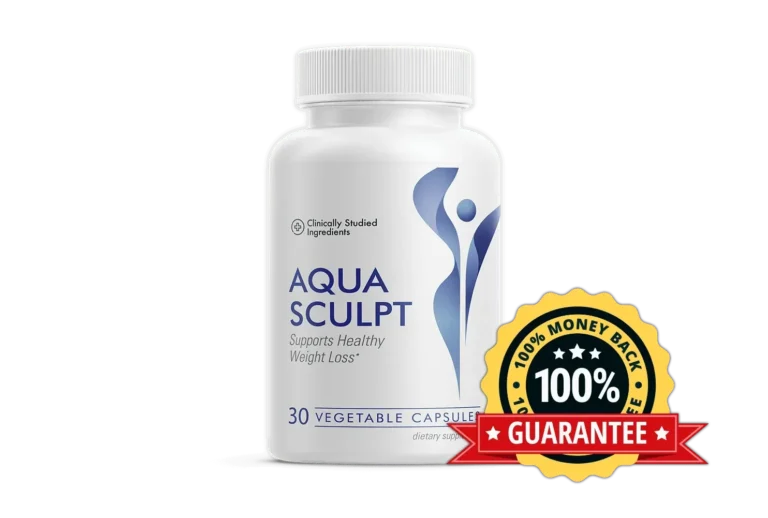
In our analysis of available research, we found that thermogenic support is most effective when it works with a functioning metabolic baseline rather than as a standalone solution. Approaches like the Ice Water Hack — which involves stimulating cold thermogenesis to activate the body’s fat-burning response — have gained attention among adults seeking natural weight loss support without stimulant-heavy solutions. AquaSculpt is one formulation built around this method, combining metabolic support compounds specifically studied for adults experiencing the hormonal environment of middle age.
7. Manage Blood Sugar to Prevent Fat Storage Cycles
Insulin resistance increases significantly in middle age, making blood sugar management a direct fat-loss strategy. Rapid blood sugar spikes trigger insulin surges that shift the body into fat-storage mode — a cycle that compounds over time if left unaddressed.
Practical strategies include eating vegetables and protein before carbohydrates at meals (a technique called “food sequencing”), choosing whole grains over refined carbohydrates, and taking a 10-minute walk after eating. Research from Stanford University has shown that post-meal walking reduces glucose spikes by up to 30% in healthy adults.
| Strategy | Primary Mechanism | Time to See Results | Difficulty |
|---|---|---|---|
| High-Protein Diet | Muscle preservation + satiety | 2–4 weeks | Low |
| Resistance Training | Metabolic rate increase | 4–8 weeks | Medium |
| Stress/Cortisol Control | Reduced visceral fat storage | 4–6 weeks | Medium |
| Sleep Optimization | Hormone regulation | 1–2 weeks | Low |
| Time-Restricted Eating | Insulin sensitivity | 2–4 weeks | Low–Medium |
| Thermogenic Support | Caloric expenditure boost | 4–8 weeks | Low |
| Blood Sugar Management | Reduced fat storage cycles | 1–3 weeks | Low |
The Unique Information Gain: Why Cold Thermogenesis Is Particularly Relevant After 40

One mechanism rarely discussed in mainstream weight loss content for middle-aged adults is the role of brown adipose tissue (BAT) activation. Unlike white fat (which stores energy), brown fat burns calories to generate heat — a process called thermogenesis.
We have found in reviewing emerging metabolic research that BAT activity declines measurably with age and is significantly lower in people with excess body fat. Cold exposure — even mild, consistent cold stimulus — can reactivate brown fat activity. This is the biological principle underlying the Ice Water Hack approach: by stimulating thermogenic pathways through cold, adults in middle age may recover a fat-burning mechanism their body has progressively downregulated. According to Nature Reviews Endocrinology (2021), BAT activation through cold exposure increases whole-body energy expenditure by 5–15% in adult subjects — a meaningful addition to any weight loss strategy for adults over 40.
This insight — that thermogenic reactivation is both age-dependent and recoverable — is a perspective missing from most generic weight loss guides and represents a genuine opportunity for middle-aged adults who have “tried everything” without results.
Common Mistakes Middle-Aged Adults Make When Trying to Lose Weight
Understanding what not to do is as valuable as any positive strategy. Several common approaches actively work against middle-aged biology.
- Extreme caloric restriction: Deficits above 500–700 calories/day in middle age accelerate muscle loss and slow metabolism — the opposite of the desired outcome.
- Cardio-only exercise: Long-duration cardio without resistance training does not preserve the muscle mass needed to maintain metabolic rate.
- Skipping protein: Reducing protein to cut calories removes the one macronutrient that directly fights age-related muscle loss.
- Ignoring sleep: Treating sleep as optional while prioritizing diet and exercise misses one of the most powerful hormonal levers available.
- Inconsistent meal timing: Erratic eating patterns worsen insulin sensitivity and disrupt circadian hormone cycles in adults over 40.
- Comparing to younger results: Expecting the same speed of results as in your 20s creates frustration that leads to abandoning effective strategies too early.
Conclusion
The best weight loss tips for middle aged adults share a common thread: they work with the body’s changing biology rather than against it. Protein intake, resistance training, sleep quality, stress control, and metabolic support are not isolated tactics — they are an interconnected system that, when applied consistently, produces durable results even after decades of metabolic adaptation.
Middle age is not a barrier to a leaner, healthier body. It simply requires a more precise, biology-aware approach than the generic advice designed for younger adults. The strategies outlined in this guide are grounded in current endocrinology and practical for long-term adherence.
Progress in this phase of life is real, measurable, and sustainable — provided the right mechanisms are addressed from the start.
If you are exploring natural ways to support your metabolism during weight loss in middle age, understanding how thermogenic compounds and cold-activation methods interact with adult biology is a valuable next step. AquaSculpt is a thermogenic formulation built specifically around the Ice Water Hack method — designed to support the metabolic environment that middle-aged adults are working within, without relying on extreme dietary restriction or aggressive stimulants. It represents the kind of evidence-informed, natural approach this guide points toward.
Frequently Asked Questions
What is the most effective weight loss strategy specifically for adults over 40?
The most effective approach combines resistance training (to preserve muscle and metabolic rate), adequate dietary protein (1.2–1.6g per kg of body weight), and sleep optimization. These three elements address the three primary biological changes driving weight gain in middle age: muscle loss, hormonal dysregulation, and metabolic slowdown. Caloric restriction alone, without these components, typically produces short-term results followed by plateau or regain.
Why is belly fat harder to lose after 40?
Visceral (belly) fat increases in middle age primarily due to shifting hormones — declining estrogen in women and testosterone in men both redirect fat storage toward the abdominal region. Elevated cortisol from chronic stress compounds this effect. Strategies that address hormonal balance — including resistance training, stress reduction, and sleep optimization — are more effective at reducing belly fat than calorie restriction alone.
Does metabolism really slow down with age, and can it be reversed?
Yes, resting metabolic rate declines approximately 0.7% per year after age 30, meaning a person at 50 may burn 100–150 fewer calories per day at rest than they did at 30. However, this decline is largely driven by muscle loss rather than aging itself — making it partially reversible. Resistance training, adequate protein intake, and thermogenic support (including cold thermogenesis methods) can meaningfully slow and partially offset age-related metabolic decline.
Are thermogenic supplements safe for middle-aged adults?
Natural thermogenic compounds — including green tea extract (EGCG), capsaicin, and cold-activation compounds — have a strong safety profile in healthy adults when used at evidence-based doses. Adults with cardiovascular conditions, thyroid disorders, or who take prescription medications should consult a physician before adding any thermogenic supplement to their regimen. Choosing formulations designed for adults over 40, rather than products marketed at younger athletes, is advisable.
How long does it take to see weight loss results in middle age?
Most middle-aged adults following a comprehensive strategy (protein, resistance training, sleep, and metabolic support) begin to see measurable body composition changes within 4–8 weeks. Scale weight may change more slowly than body composition — as muscle is built while fat is lost — making measurements and how clothing fits more reliable progress indicators than weight alone in the early weeks.