Diarrhea-causing parasite that can contaminate raw produce causing misery across several states | CNN
A widespread cyclosporiasis outbreak linked to contaminated raw produce is causing severe and prolonged diarrheal illness across 17 states, with at least 145 confirmed cases and 20 hospitalizations as of mid-June 2026. The parasitic infection, caused by the cyclospora cayetanensis organism, typically develops within one week of consuming contaminated food and water, and health officials warn that cases are expected to rise as summer temperatures increase. Certain states, including Michigan with 170 cases in just nine days and New York with 107 cases since May, are experiencing unusually sharp increases beyond their typical seasonal patterns.

Understanding Cyclosporiasis: The Parasite Behind the Outbreak
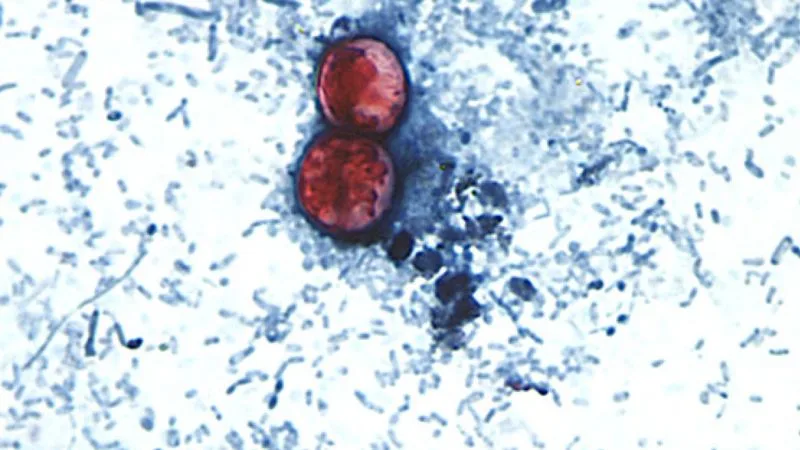
Cyclosporiasis is an intestinal infection caused by a single-cell parasite known as cyclospora cayetanensis. The illness develops when individuals consume food or beverages contaminated with this organism, with symptoms typically appearing approximately one week after exposure. The parasite is transmitted through human feces and enters the food supply when contaminated water is used to irrigate crops or spray produce in agricultural fields.
How the Parasite Spreads Through Agricultural Systems
According to Dr. David Freeman, professor emeritus of infectious diseases at the University of Alabama at Birmingham, the contamination cycle begins when fecal matter enters irrigation water sources. Once this contaminated water reaches crops, the humid environment of farm fields provides ideal conditions for the parasite to multiply rapidly on plant surfaces. Unlike many pathogens, cyclosporiasis requires warm, moist conditions to develop, which is why cases typically surge during summer months when fresh produce consumption increases and agricultural fields are actively irrigated.
Current Outbreak Scale and Geographic Distribution
As of mid-June 2026, the Centers for Disease Control and Prevention (CDC) has documented 145 confirmed cases across 17 states between May 1 and June 16. At least 20 individuals have required hospitalization due to severe symptoms. While these numbers represent a significant public health concern, federal and state health officials emphasize that there is currently no evidence of a single multistate outbreak linking all cases together.
State-by-State Impact and Unusual Clusters
Michigan has experienced a particularly dramatic surge, reporting at least 170 cases concentrated in seven counties over a nine-day period—substantially exceeding the state’s typical annual count of approximately 50 cases. New York State, excluding New York City, has reported 107 cases since May 1, which represents a significant portion of the state’s typical yearly range of 500 to 700 cases. These unusually sharp increases have prompted intensive investigations by state health departments to identify potential clusters and sources of contamination.
High-Risk Foods: Berries, Herbs, and Fresh Produce Categories
While no specific food source has been definitively implicated in the current outbreak clusters, epidemiological data and expert analysis point to two primary categories of produce most frequently associated with cyclosporiasis outbreaks: fresh herbs and soft berries. Dr. Freeman identifies these high-risk categories as cilantro, basil, and other herbs commonly used in salads and as garnishes, as well as berries including strawberries, blueberries, and melons that grow in field environments vulnerable to water contamination.
Seasonal Risk Factors and Consumer Behavior
The outbreak’s timing coincides with warmer weather patterns when consumers actively seek cold, raw foods as alternatives to hot, cooked meals. Fresh produce consumption peaks during summer months, particularly around holiday periods such as the Fourth of July weekend, when salads, fruit platters, and raw vegetable dishes dominate meal planning. This seasonal shift in dietary patterns, combined with the parasite’s preference for warm conditions, creates a perfect storm for increased transmission rates.
Clinical Symptoms and Health Impact of Infection
Cyclosporiasis produces severe gastrointestinal symptoms characterized by prolonged and intense bouts of diarrheal illness. Affected individuals typically experience explosive diarrhea, abdominal cramping, and gastrointestinal distress that can last for extended periods if left untreated. The infection requires medical intervention, as evidenced by the 20 hospitalizations recorded in the current outbreak, and recovery involves antibiotic therapy prescribed by healthcare providers.
Important Distinctions from Other Foodborne Illnesses
Unlike some acute foodborne pathogens that resolve within days, cyclosporiasis symptoms persist and worsen without proper treatment. The week-long incubation period also complicates epidemiological investigations, as infected individuals may not recall all foods consumed during the relevant exposure window. This extended timeline between consumption and symptom onset makes it challenging for both patients and health officials to identify contamination sources.
Prevention Strategies: Washing and Food Safety Protocols
The parasite is susceptible to heat, meaning that cooking effectively eliminates the cyclosporiasis risk. However, summer dining preferences for fresh, uncooked foods leave consumers vulnerable if proper washing protocols are not followed. Health officials emphasize that thoroughly washing all fresh produce with running water before consumption significantly reduces contamination risk by physically removing organisms from plant surfaces.
Practical Steps for Consumer Protection
According to CDC guidance and expert recommendation, consuming raw produce safely requires comprehensive washing with large volumes of water, paying particular attention to textured surfaces where parasites may hide. Hand hygiene also plays a critical role in preventing transmission, as individuals handling contaminated produce can inadvertently spread the parasite through food preparation and dining surfaces. State health departments continue to conduct investigations to identify potential cluster sources while urging the public to exercise heightened caution with raw berries and fresh herbs during peak outbreak season.
Ongoing Investigations and Public Health Response
Federal and state health agencies are actively investigating potential clusters and contamination sources across multiple states. While travel-related cyclosporiasis cases are documented historically, current outbreak investigations have revealed that affected individuals did not report travel within the two weeks prior to illness onset, suggesting domestic food supply contamination rather than imported produce as the primary source.
💡 What This Means
For individuals pursuing weight loss through thermogenic supplements and dietary optimization, a cyclosporiasis infection represents a serious health setback that can derail fitness and wellness goals through severe gastrointestinal distress and nutritional disruption. Explosive diarrhea and intestinal infection interfere with normal digestion, nutrient absorption, and the metabolic processes that thermogenic supplements are designed to enhance. During outbreak season, especially mid-June through summer, consumers focused on weight management should exercise extra caution with raw produce consumption and prioritize thoroughly washed fruits, berries, and herbs to maintain consistent nutrition and supplement efficacy. Protecting digestive health is essential for allowing thermogenic supplements to work effectively and maintaining steady progress toward fitness objectives.
Sources
A cyclosporiasis outbreak across 17 states poses a significant risk to anyone relying on raw produce as part of a weight loss nutrition plan, as severe diarrhea and gastrointestinal infection can undermine the digestive health needed for thermogenic supplements to deliver results. To protect your metabolism and supplement regimen during outbreak season, wash all fresh produce thoroughly with running water, avoid high-risk items like unwashed berries and cilantro, and maintain consistent digestion through cooked alternatives when raw options are uncertain. Learn Safe Eating Practices for Thermogenic Weight Loss